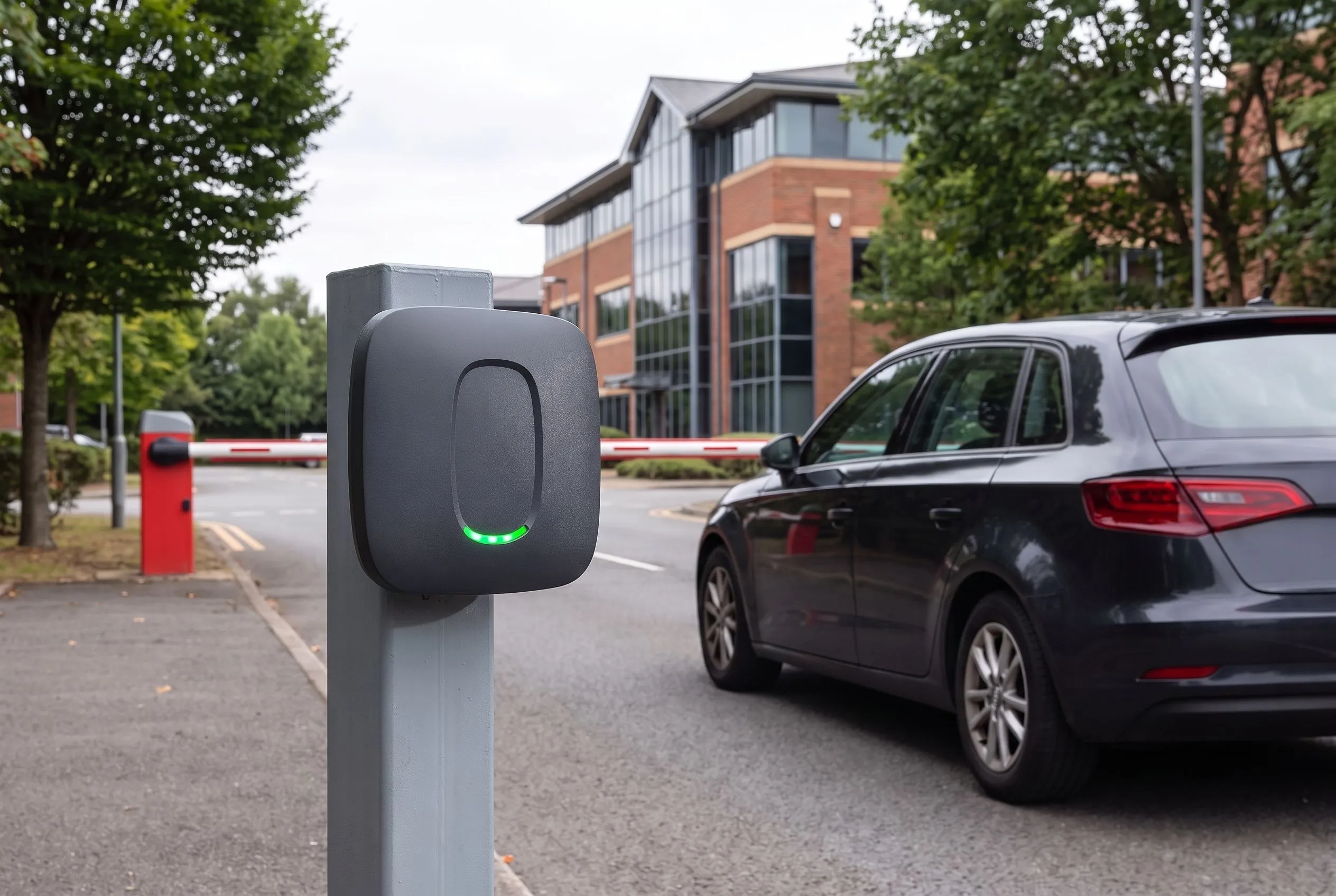
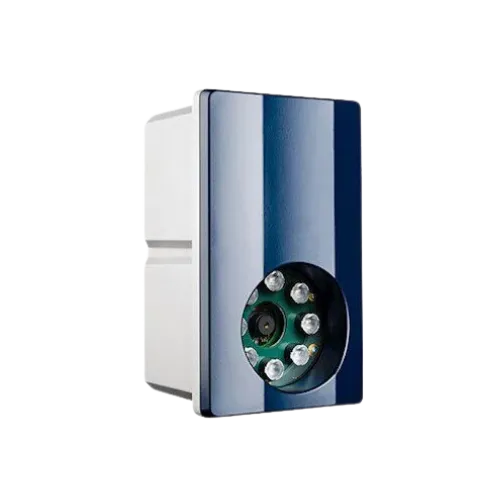
Nedap ANPR Lumo for Vehicle Access Control
The ANPR Lumo is an all-in-one number plate camera, including embedded software, analyser and IR illuminator.
› View DetailsSolutions
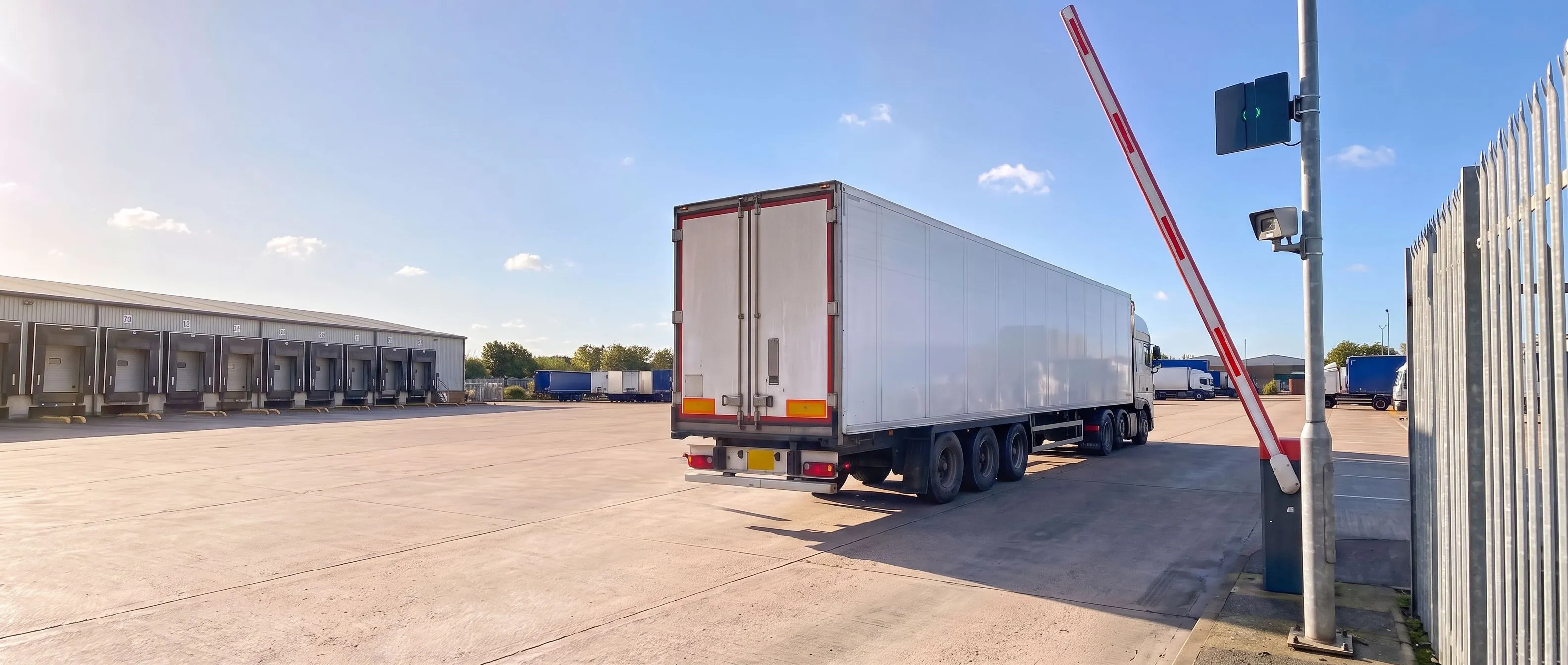
An ANPR (automatic number plate recognition) system reads each vehicle's number plate at the gate or barrier and checks it against your access list, so authorised vehicles drive in without tags or cards. As Nedap's certified UK partner we distribute and support the Nedap ANPR Lumo camera, which connects to Norpass3 or to most other access control systems in the same way as a card reader.
An ANPR access control system uses automatic number plate recognition to identify vehicles at a site entrance and open the gate or barrier for the ones on its access list. It is the same camera technology used by the police and by car park operators, put to a different job: here the number plate works like an access card, and your access control system decides who gets in.
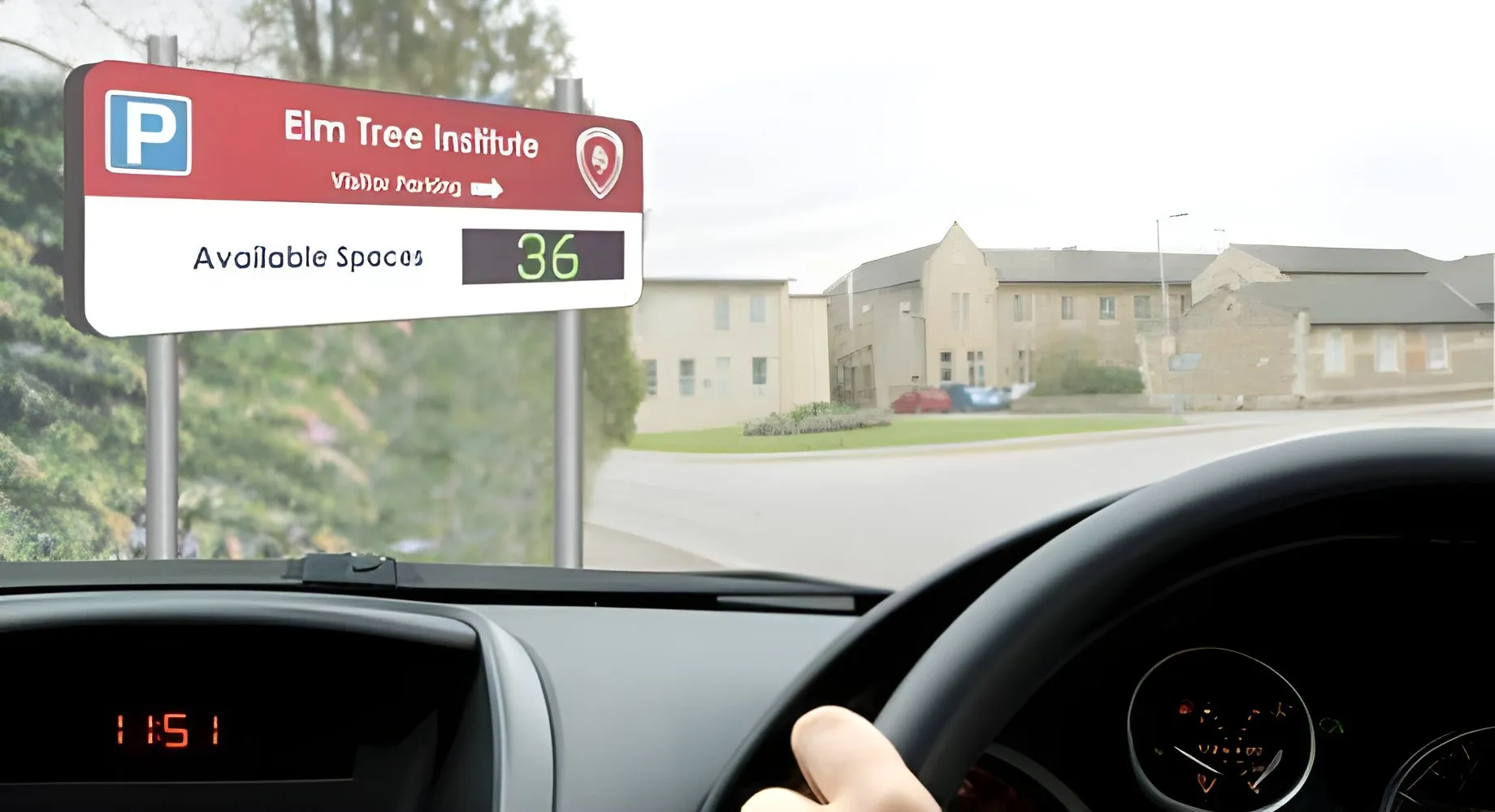
For the background on how the cameras read plates, see what is ANPR on our blog. For car parks that also need a live space count and a FULL sign, see the ANPR car park barrier system.
 1
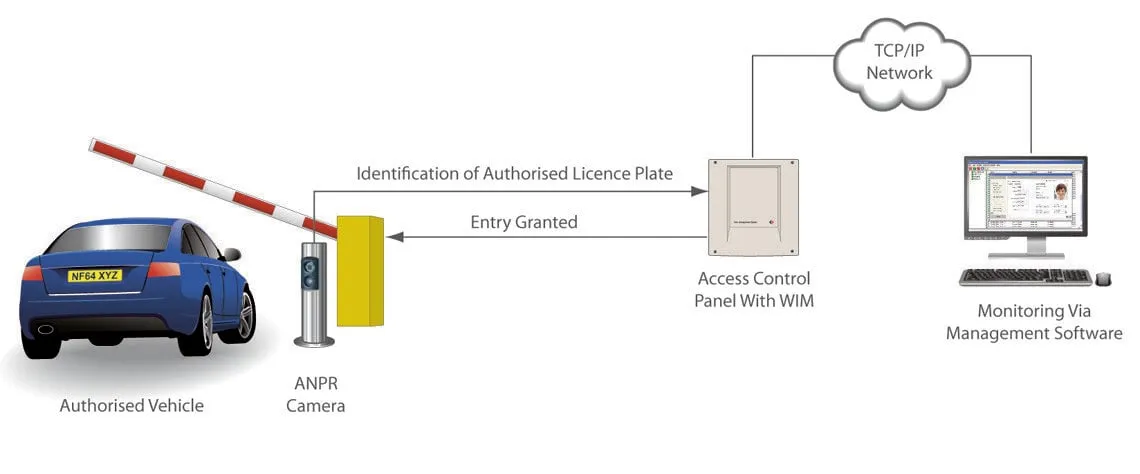
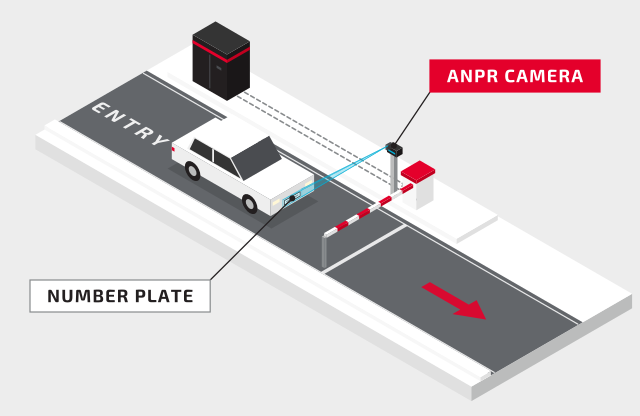
1 As a vehicle approaches, the ANPR Lumo reads its number plate at 2 to 10 metres, using its built-in infrared illuminator.
 2
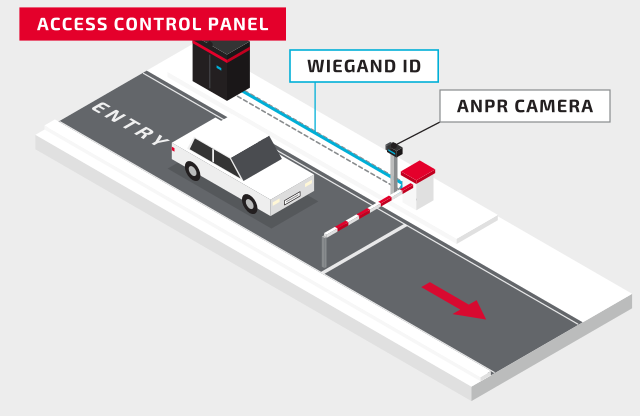
2 The camera turns the plate into a Wiegand ID and sends it to the access control panel, exactly as a card reader sends a card number.
 3
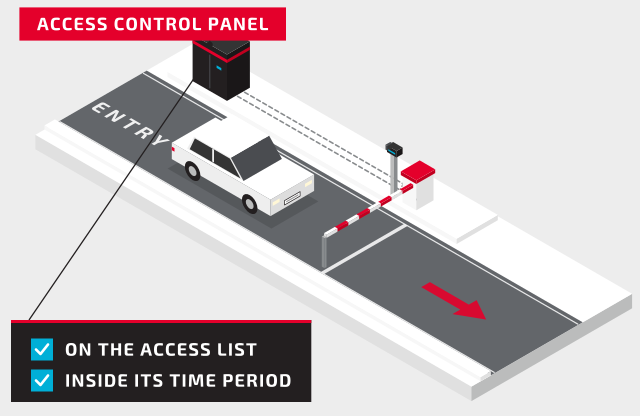
3 The panel checks the ID against the access list, with the same access levels and time periods it applies to cards.
 4
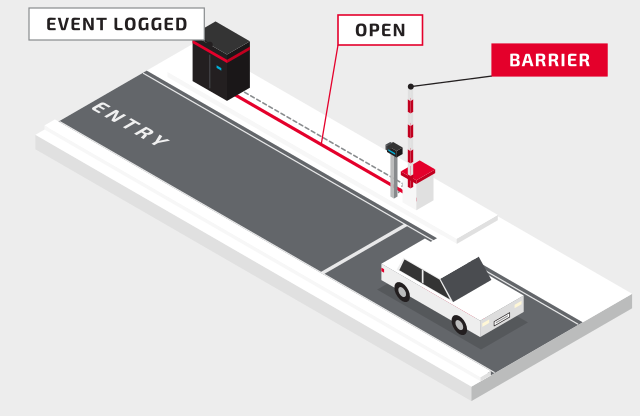
4 If the plate is valid, the panel opens the gate or barrier and records the event. If it isn't, the barrier stays down.
The ANPR Lumo can also run on its own. Its web software holds time-based white, black and ignore lists, so a single gate can work without a separate access control panel.
ANPR and long-range RFID tags both identify vehicles without the driver stopping. The choice comes down to who the vehicles belong to and how much administration the site wants.
| ANPR (number plates) | Long-range RFID tags | |
|---|---|---|
| What identifies the vehicle | Its number plate | A windscreen tag, or a card in a tag booster |
| What you issue | Nothing: plates are registered in the system | A tag for every vehicle, bought, issued and recovered |
| Visitors and contractors | Authorised in advance by plate, without the vehicle being present | Need a tag handing out on arrival |
| Moving credentials between vehicles | Not possible: the plate belongs to the vehicle | Possible, so tags can be passed on |
| Read range | 2 to 10 metres (ANPR Lumo) | Up to 10 metres (uPASS Go) or 15 metres (Transit Ultimate) |
| Product | Nedap ANPR Lumo | Nedap long range readers |
Some sites use both. At Exeter Science Park each entry and exit lane has a uPASS long-range tag reader, used as the main credential, and an ANPR camera. Our blog compares the two in more detail: long-range RFID vs ANPR, and the car park access control system page sets tags, plates, cards and QR codes side by side.
Because the camera sends each plate as a Wiegand ID, the format a card reader uses, it connects to most access control panels without changes to the software. At George Spencer Academy, Advanced IT Services added Nedap ANPR to the school's existing Paxton Net2 system. At North West Ambulance Service's Lancashire headquarters, Expert Security UK connected it to a centrally controlled barrier system, where each valid plate is checked centrally in the same way as a card. For deeper software integration the camera also offers RS485, Ethernet and a REST API.
A number plate that can be linked to a person counts as personal data, so the organisation running the site is responsible for it under UK GDPR. In practice that means saying why plates are collected, putting up signs at the entrance, deciding how long plate reads and images are kept, and limiting who can see them. The ANPR Lumo has 10 GB of on-board storage for reads and images, so include it in the retention policy. The ICO's guidance on video surveillance covers ANPR.
Our blog has a fuller breakdown in how much an ANPR system costs. We supply through installers and distributors, so the price for your site comes from the installer after a survey. Our sales team can help put the equipment list together: sales@nortechcontrol.com.
Request a quote
Send us a description of the project or the products you need and we'll aim to quote within 48 hours.
Request Quote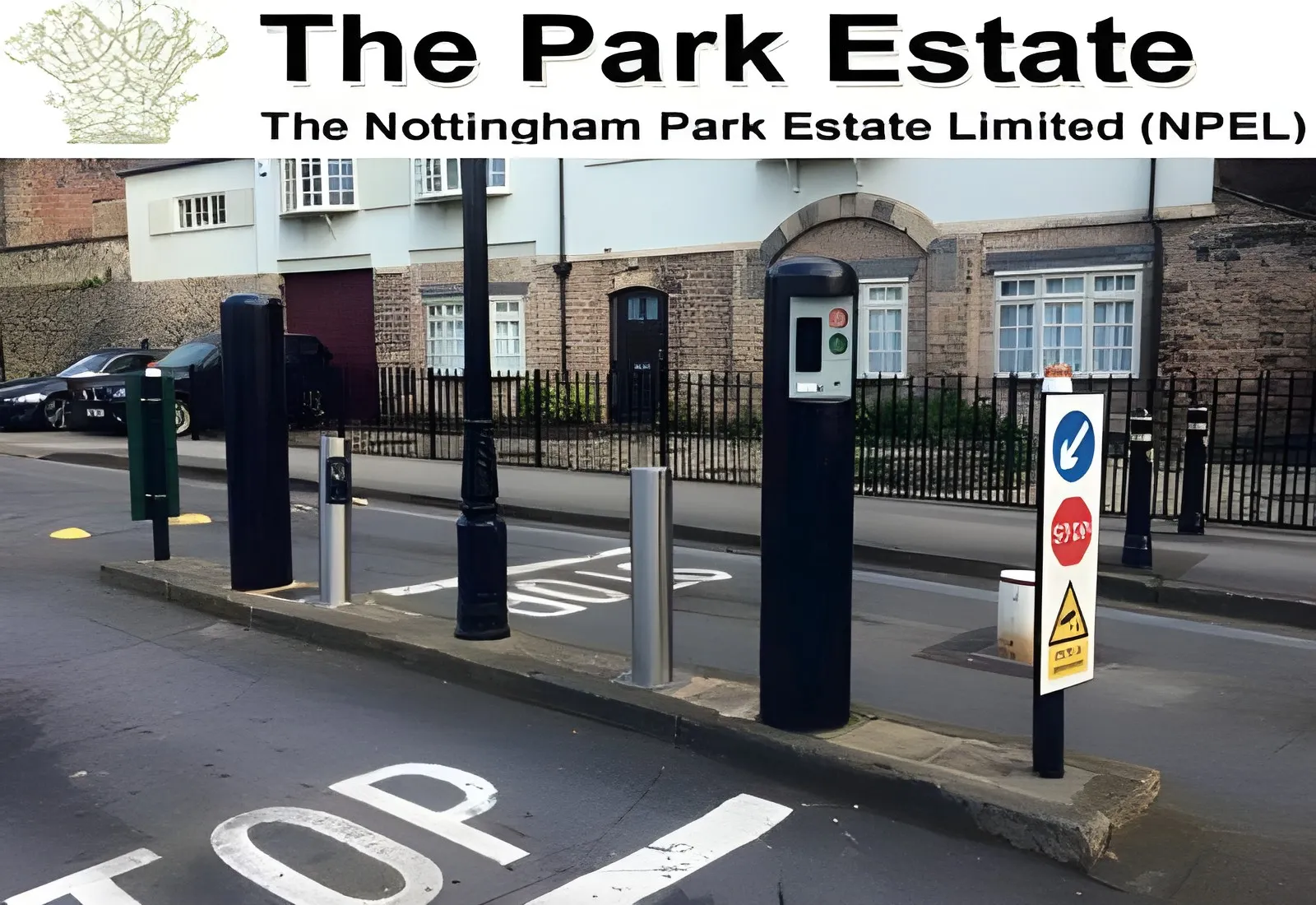
Case study
Nottingham Park Estate, a private residential estate, controlled vehicle access with an ageing HyperX long-range tag system. Supported by Nortech, Sitewatch replaced the tag readers with Nedap ANPR HD cameras at each access point, linked to the Norpass3 access control system.
Each authorised vehicle's number plate is registered in Norpass3. The camera reads the plate at up to 10 metres as the vehicle approaches and passes it to the Norpass3 controller, which grants access if it is valid. The estate reports simpler administration and a major reduction in ongoing costs.
The ANPR Lumo is an all-in-one number plate camera, including embedded software, analyser and IR illuminator.
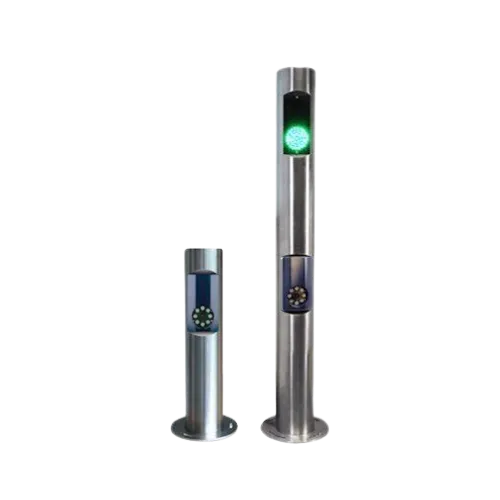
› View DetailsThe SSP-ANPR and SSDP-ANPR stainless steel posts are each designed to house the Nedap ANPR camera in an attractive…
› View DetailsTogether with Nortech’s modular access control panels, Norpass3 access control software provides a high degree of…
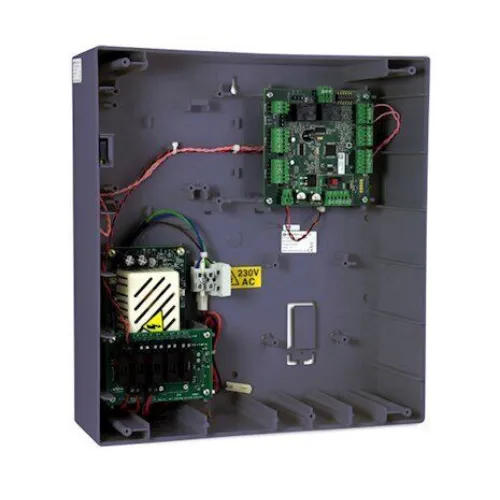
› View DetailsThe CRC221-1 single-door controller is part of a range of versatile modular on-line access control panels suitable fo…
› View DetailsWe're here to help
Call +44 (0)1633 485 533 or Email Us