Nortech — People & Vehicle Access Solutions

Solutions

ANPR car park barrier system with live space counting

An ANPR barrier system reads each number plate at the car park entrance, lifts the barrier for authorised vehicles and keeps a live count of the spaces left, holding the barrier down once the car park is full. It pairs our ANPR access control system with the NCT100 counter and a space-available sign, so drivers see how many spaces are free before they reach the barrier.
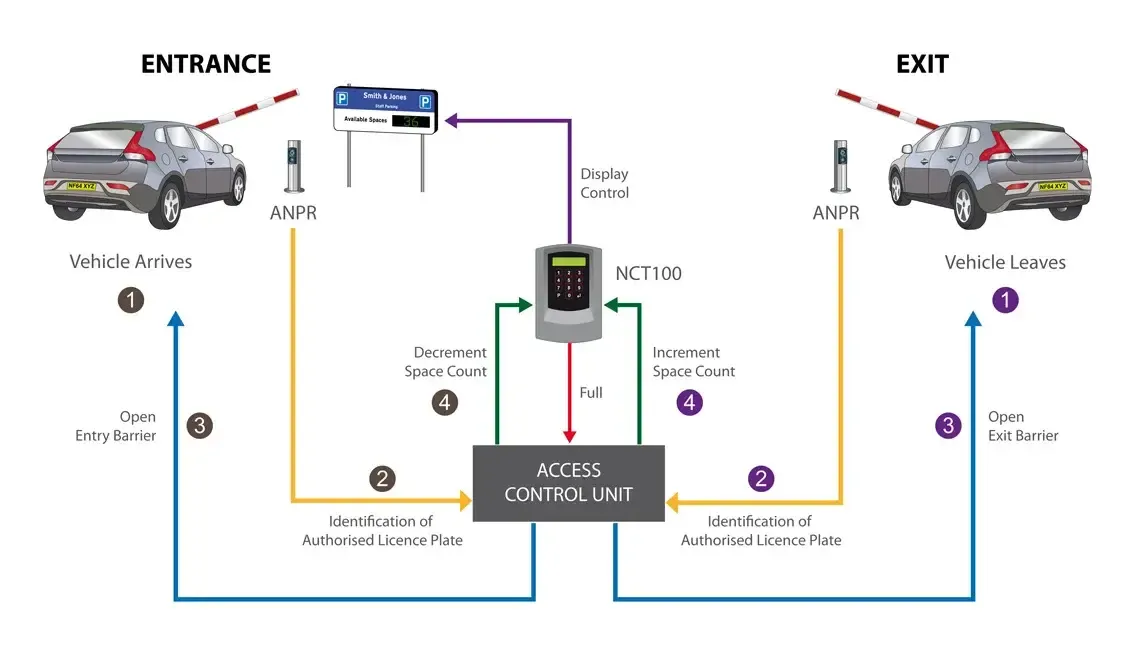
ANPR barrier system with counting: ANPR cameras at the entrance and exit barriers, the access control unit opening each barrier, the NCT100 counting vehicles in and out and driving the available spaces sign

How the ANPR car park barrier system works

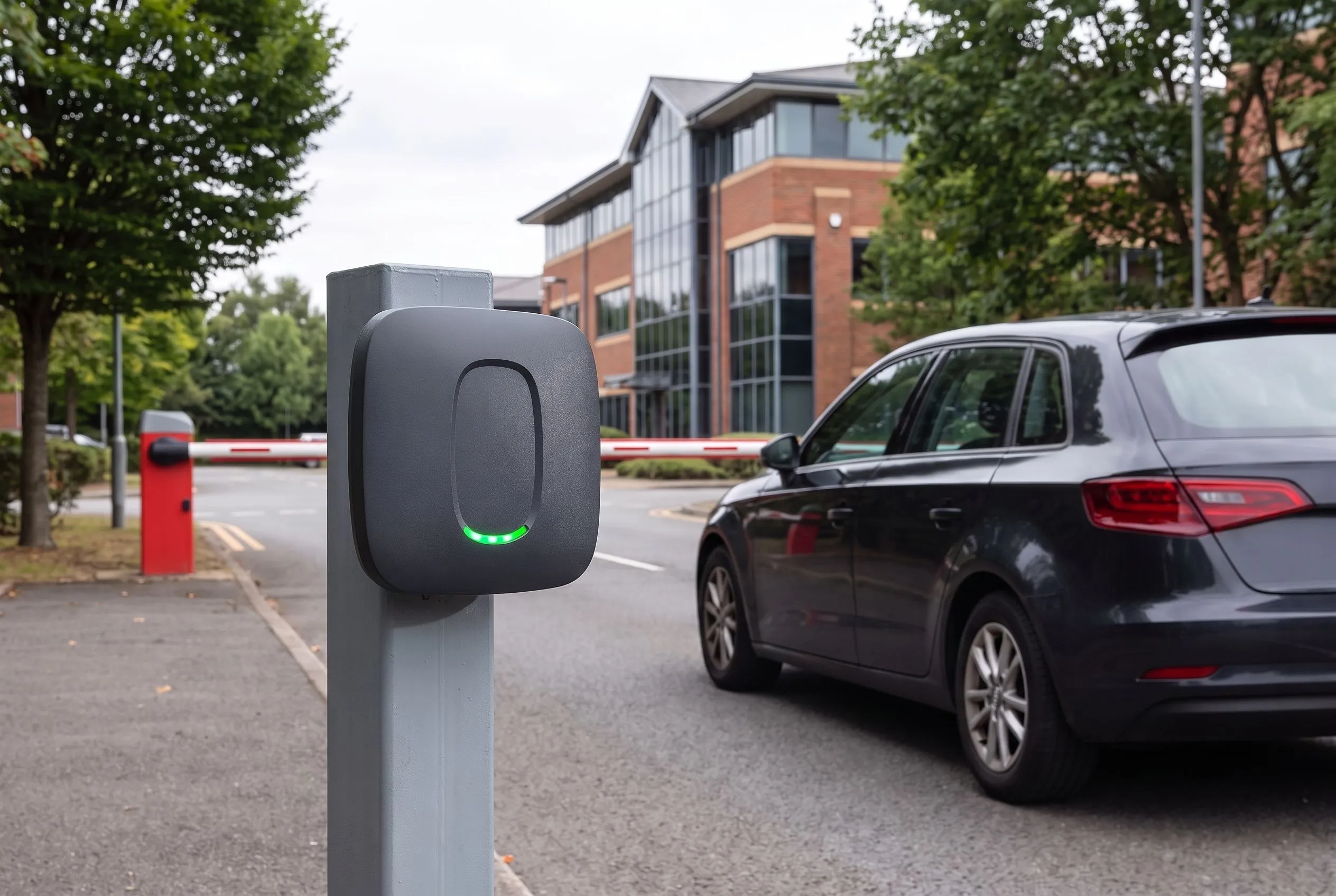
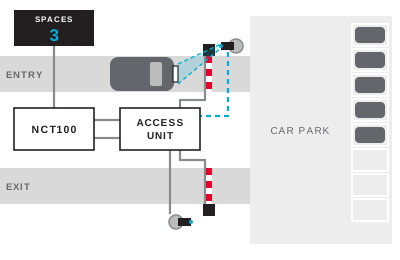
  1. Step 1: the entry camera reads the plate of a car waiting at the closed entry barrier, with the spaces sign showing 3 1

    Plate read at the entry barrier

    An ANPR camera just behind the entry barrier reads the plate as the vehicle arrives and sends it to the access control unit to be checked.
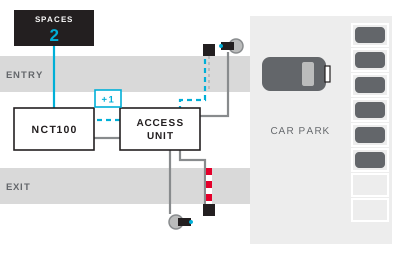
  2. Step 2: the entry barrier opens, the car drives in, the counter adds one and the sign drops to 2 spaces 2

    The barrier opens and the count goes up

    If the plate is valid, the access control unit opens the barrier, and the same open signal goes to the NCT100 counter, which adds one to the count.
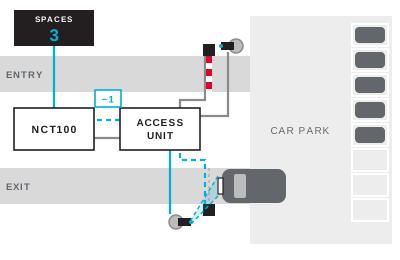
  3. Step 3: the exit camera reads a leaving car, the exit barrier opens, the counter takes one off and the sign goes back to 3 spaces 3

    Each exit takes the count down

    The exit barrier works the same way, and each vehicle leaving takes one off the count, so the counter always knows how many spaces are left.
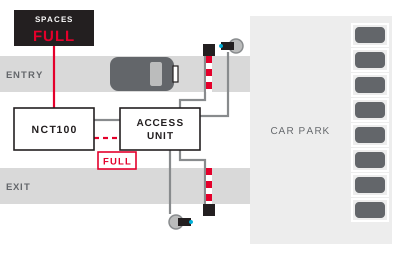
  4. Step 4: every bay is taken, the sign shows FULL and the counter holds the entry barrier closed for the waiting car 4

    Full means full

    When the car park is full, the NCT100 shows FULL on the sign and sends an inhibit signal to the access control unit, so no more vehicles are let in until one leaves.

Because the count comes from the barrier-open signals, no extra road loops are needed for counting. How the plates themselves are read and managed is covered on the ANPR access control system page.

Stop entry when the car park is full

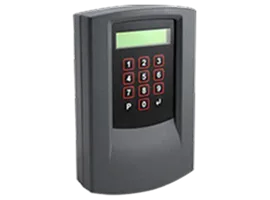
  • The NCT100 counter keeps up to four counts, so one module can cover separate car parks or zones. It is programmed from its own keypad, with no PC needed.
  • Full and nearly full: alarm outputs switch when a count reaches a set value, for FULL signs, traffic lights or the barrier inhibit, and pre-alarm outputs can warn before the car park fills.
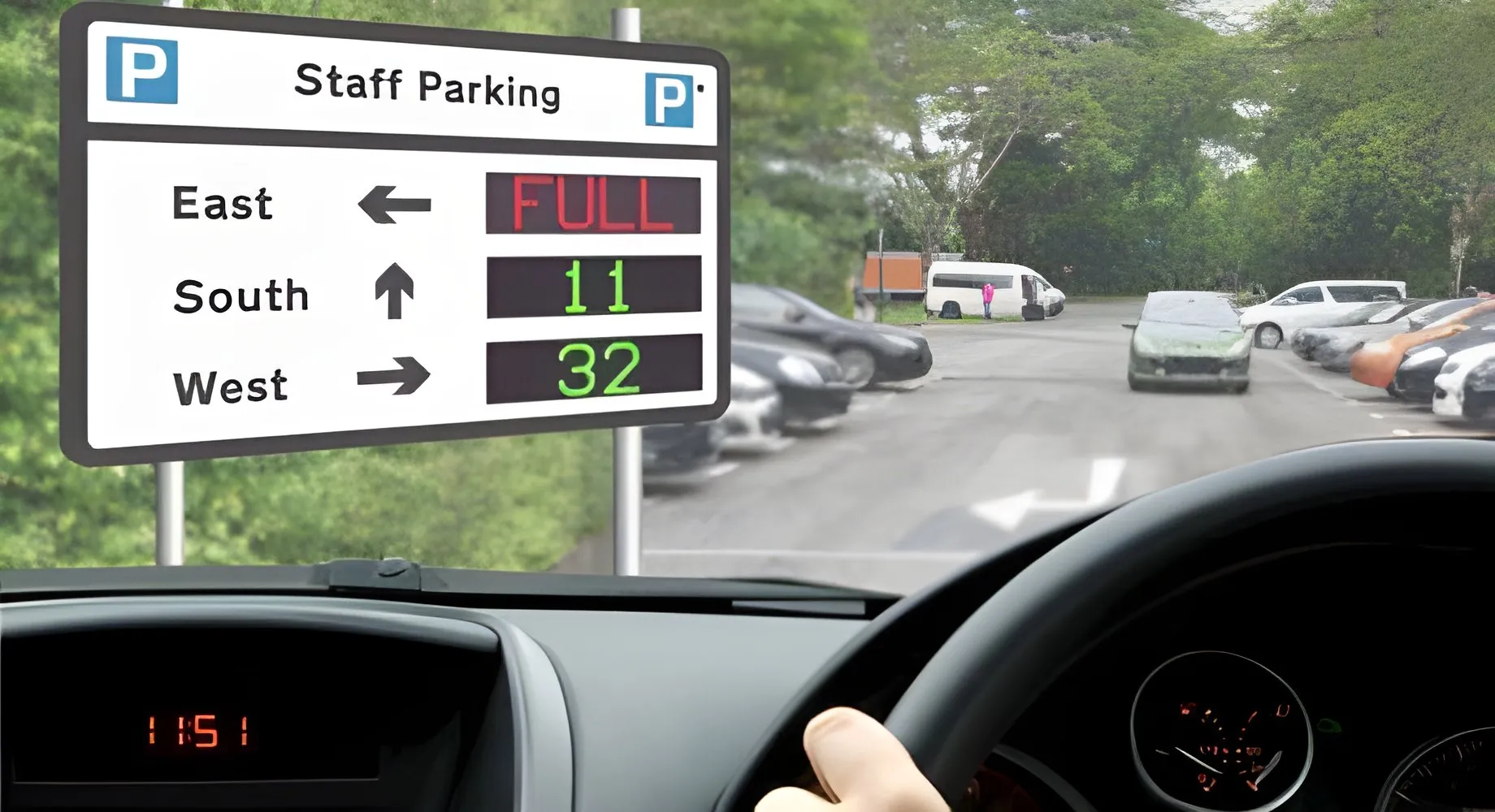
  • Space-available signs: the NCT100 drives up to four signs over RS485, such as the full-colour message sign at the entrance or multi-level signs for car parks on more than one level.
  • A count you can trust: counts are kept through power cuts, and the counters can reset to set values each day or from a reset input.

For several car parks or levels managed together, see car park counting and guidance.

Barrier-controlled or barrierless ANPR parking?

Many ANPR car parks have no barrier at all. Which kind a site needs depends on whether unauthorised vehicles have to be kept out or can be dealt with afterwards.

Barrier-controlled ANPRBarrierless ANPR
How entry worksThe barrier lifts only for plates on the listAnyone can drive in; plates are logged
Unauthorised vehiclesKept out at the entranceDealt with afterwards, usually by a parking charge notice
When the car park is fullThe barrier stays down and the sign shows FULLDrivers find out inside
SuitsStaff, permit, residents' and contract parkingPublic pay-and-display parking run by a parking operator

This page covers the barrier-controlled kind.

Shared car parks with separate allocations

Where several companies share one car park, a CPC202 or CPC204 shared occupancy controller checks each credential at the barrier and stops each group going over its allocation of spaces: up to four groups on the CPC204 and two on the CPC202, with a sign for each group's spaces. It takes Wiegand readers, the output format the ANPR Lumo uses; talk to our technical team about setting it up for number plates.

What goes into an ANPR barrier installation

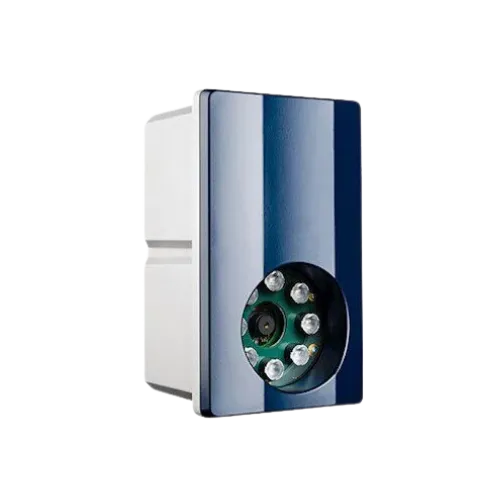
  • An ANPR camera on each lane: the Nedap ANPR Lumo, which we distribute and support, just behind each entry and exit barrier. It reads plates at 2 to 10 metres across a lane up to 3.5 metres wide.
  • Stainless steel posts, designed and manufactured in South Wales: the SSP-ANPR, or the SSDP-ANPR with red and green traffic lights.
  • Barriers from the barrier manufacturer; the car parks in our case studies use CAME and FAAC.
  • The access control unit: Norpass3 with CRC22x controllers, a CPC202 or CPC204 for shared car parks, or the site's existing system.
  • The NCT100 counter, taking the barrier-open signals from the entry and exit lanes.
  • A space-available sign at the entrance, and level signs for multi-storey car parks.

What affects the cost of an ANPR car park system

  • The number of entry and exit lanes, each with its own camera and barrier
  • New barriers or reusing the ones on site
  • The number and type of space signs
  • Whether the car park is shared and needs separate allocations
  • Connecting to an existing access control system or installing Norpass3, which is licence-free
  • Groundworks and cabling between the lanes, the controllers and the signs

Our blog has a fuller breakdown in how much an ANPR system costs. We supply through installers and distributors, so the price for your car park comes from the installer after a survey. Our sales team can help put the equipment list together: sales@nortechcontrol.com.

Applications

  • Staff car parks with limited spaces
  • Car parks shared between tenant companies
  • Hotel car parks
  • School and college car parks
  • Sports and leisure club car parks
  • Contract and permit parking

Benefits

  • Stops the car park overfilling, so drivers don't circle looking for a space
  • Shows drivers the spaces left before they reach the barrier
  • Keeps unauthorised vehicles out at the entrance
  • Counts from the barrier signals, with no extra road loops
  • Keeps each tenant within its allocation in a shared car park
  • Holds the count through power cuts

Case study

UWC Atlantic controls its staff car park with ANPR barriers

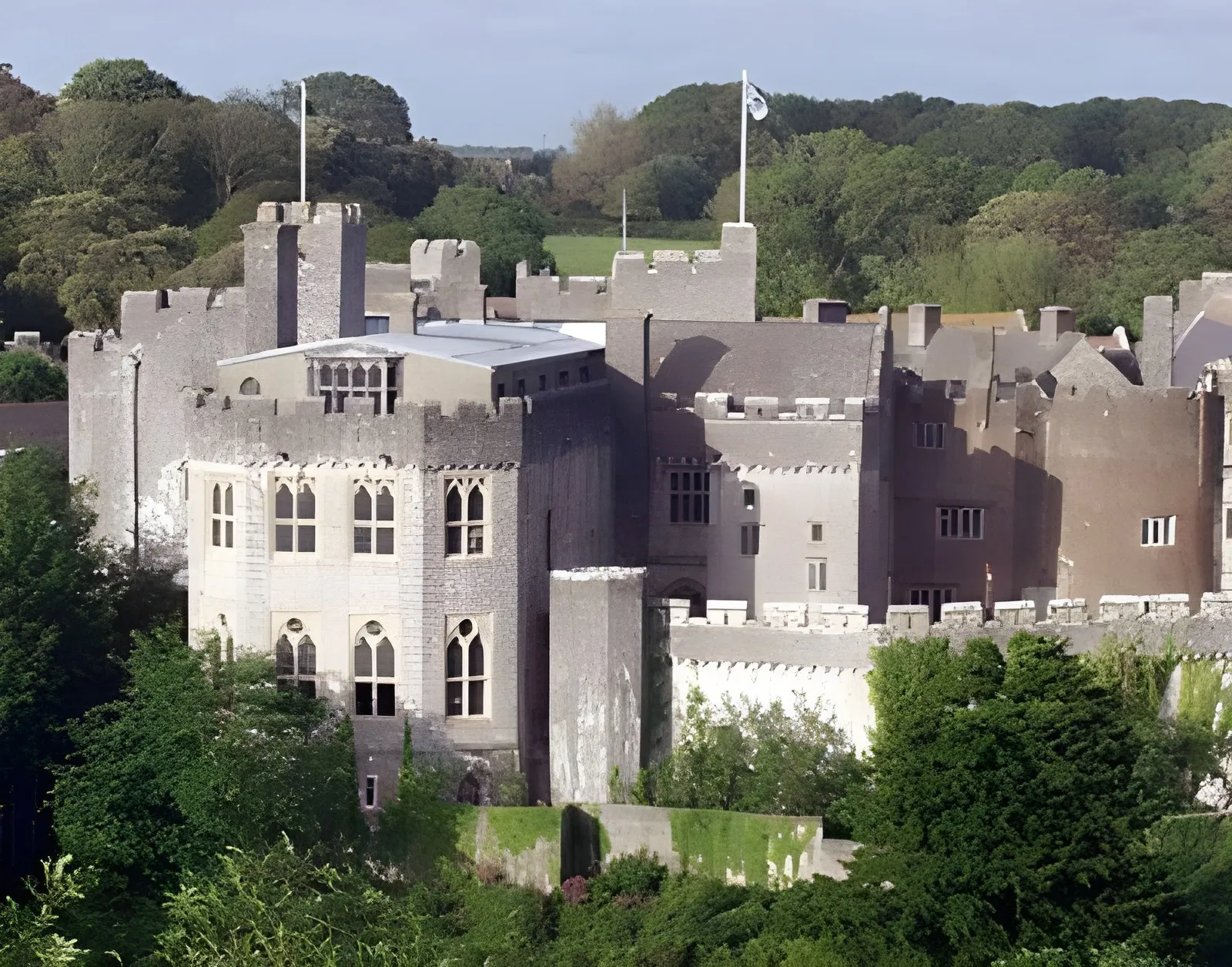
UWC Atlantic, an international sixth form college at St Donat's Castle in the Vale of Glamorgan, had a staff car park with two entrances and no way of controlling who came and went. With its installer, Gee Communications, the college chose barriers controlled by ANPR cameras, so that only authorised number plates could enter.

Gee Communications fitted Nedap ANPR Lumo cameras in brushed stainless steel bollards alongside two new FAAC barriers. The cameras read plates at 2 to 10 metres, keep unauthorised vehicles out and let the college track vehicles without issuing tags.

Read the full case study ›

ANPR car park FAQs

How much does an ANPR car park barrier system cost?
It depends on the number of entry and exit lanes, whether the barriers are new, the signs, and the groundworks and cabling. Our blog breaks the costs down in how much an ANPR system costs, and the price for your site comes from the installer after a survey.
Do car parks have to say if they use ANPR?
They should. A number plate that can be linked to a person is personal data under UK GDPR, so the site should put up signs at the entrance saying ANPR is in use, why, and who to contact. The ICO's guidance on video surveillance covers it.
Do I need barriers for ANPR car park access?
Not for enforcement-style parking, where plates are logged and dealt with afterwards. To keep unauthorised vehicles out, or to stop entry when the car park is full, you need a barrier or gate controlled by the ANPR system.
How does the system know the car park is full?
The NCT100 counts every barrier opening at the entry and exit, so it always knows how many vehicles are inside. When the count reaches the car park's capacity it shows FULL on the sign and holds the entry barrier down.
Do we need extra road loops for counting?
Not for counting: the NCT100 counts the barrier-open signals from the entry and exit lanes. The barriers may still need their own safety loops, which the barrier installer specifies.
What happens if the count drifts?
The counters can reset to set values automatically at a chosen time each day, or from a reset input, so the count starts each day right. Counts are also kept through power cuts.
Can two companies share one car park with their own allocation?
Yes. A CPC202 or CPC204 shared occupancy controller gives each group its own allocation of spaces, up to four groups on the CPC204, and stops a group going over it while the others can still park.

Related products

Request Quote

Solution: ANPR Car Park Barriers with Counting

Loading the form…

We're here to help

Call +44 (0)1633 485 533 or Email Us