




Nortech — People & Vehicle Access Solutions
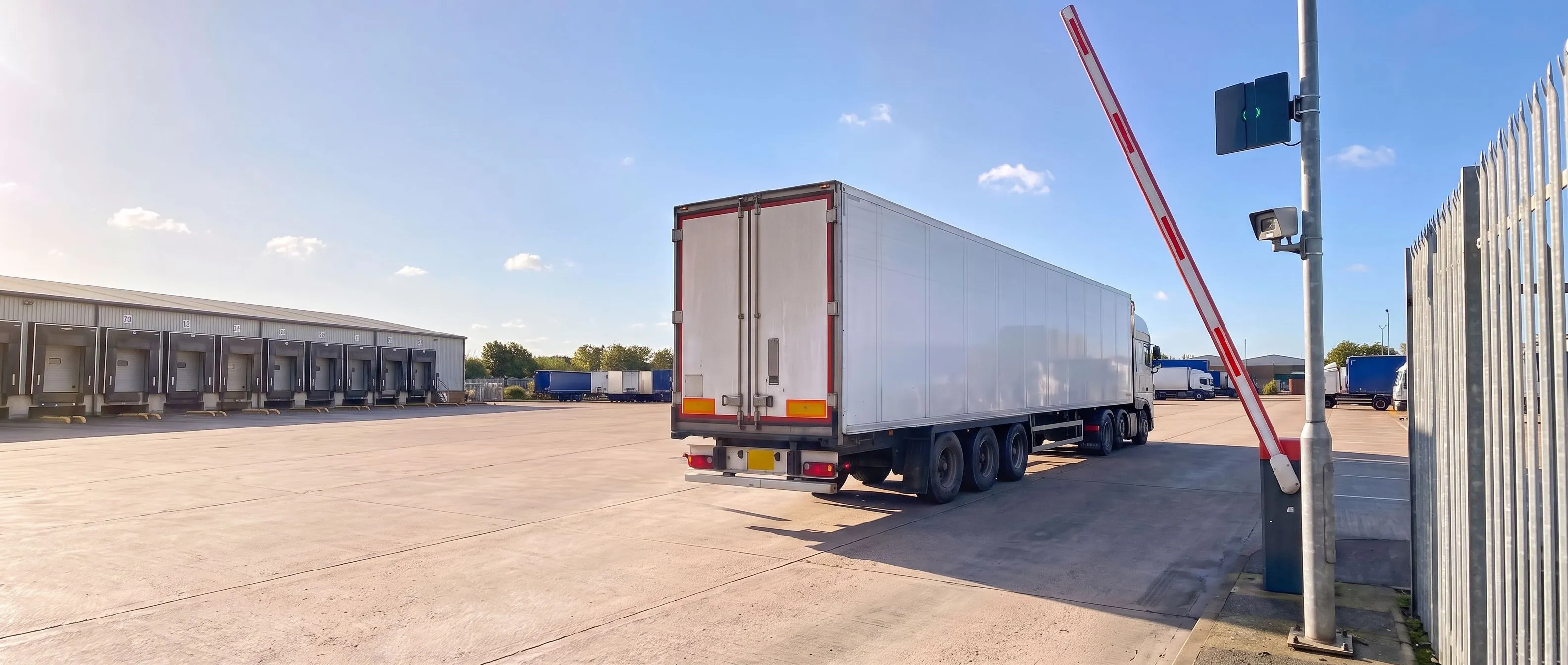
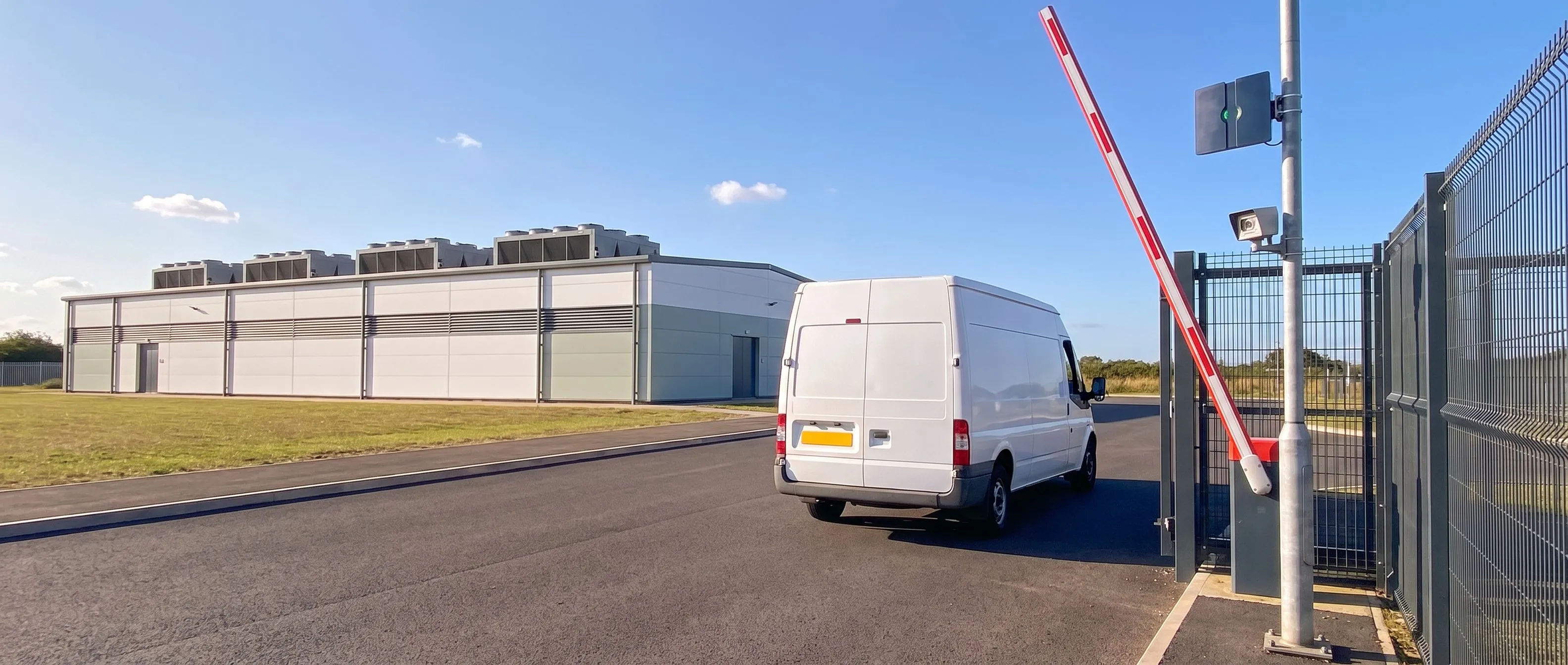
Airfield operations vehicle driving through the raised barrier at an airside access gate, with a Transit Ultimate long-range reader and a camera on the post beside it

Vehicle access control for airports

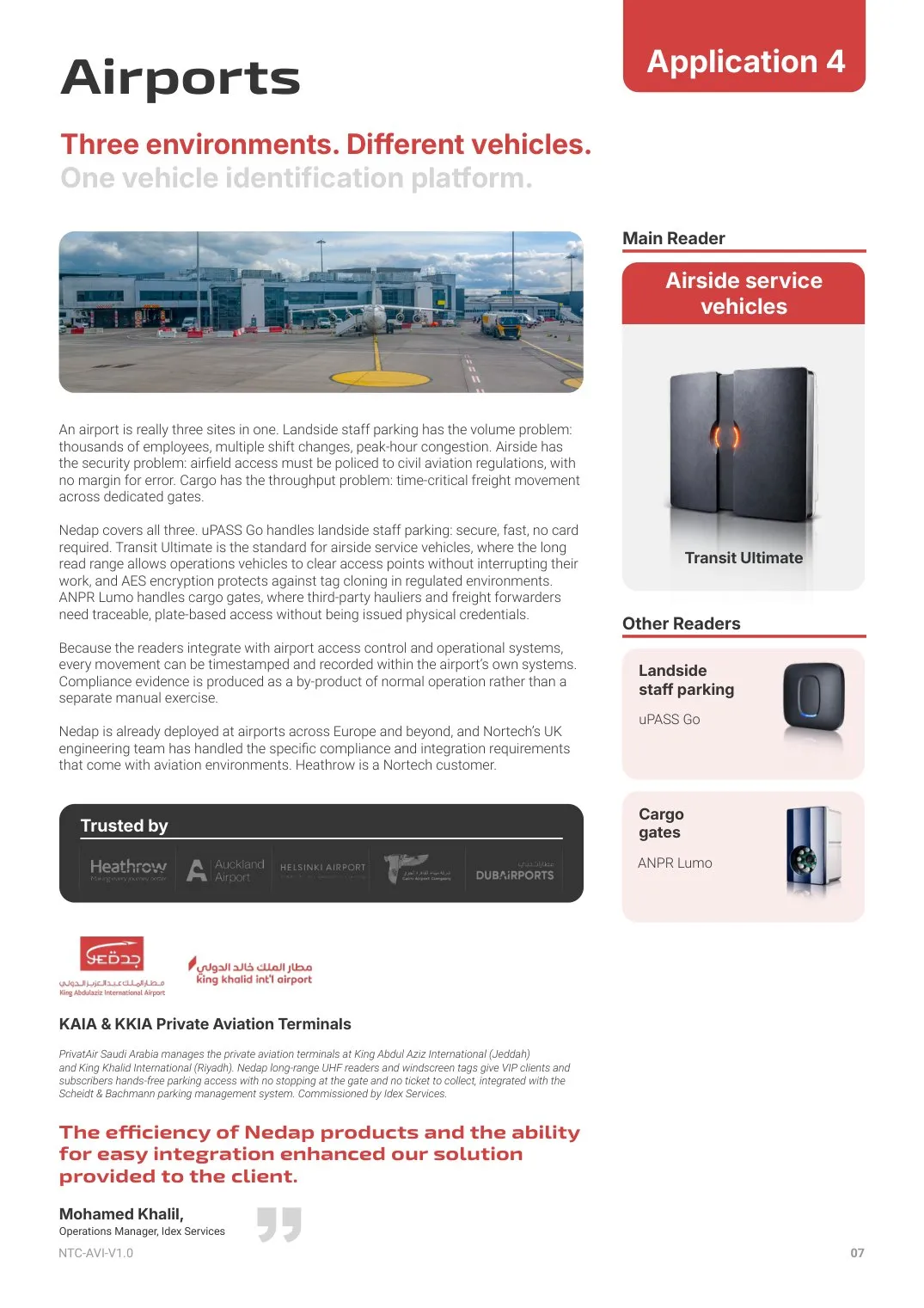
Three environments. Different vehicles. One vehicle identification platform.

Trusted by

Vehicle access control at an airport has to cover three sites in one: landside staff parking, airside access and the cargo gates. Nedap Transit Ultimate identifies airside service vehicles from up to 15 metres, uPASS Go lets staff into landside car parks on a windscreen tag, and ANPR Lumo reads the number plates of hauliers at the cargo gates.

We distribute and support all three as Nedap's certified UK partner. Nedap readers are in use at airports across Europe and beyond, and Heathrow is a Nortech customer.

An airport is three sites in one

An airport is really three sites in one, and each has a different problem at the gate.

Landside staff parking has the volume: thousands of employees, several shift changes a day and congestion at the peaks. Airside has the security: access to the airfield has to be controlled to civil aviation rules, with no margin for error. Cargo has the throughput: time-critical freight moving through its own gates.

All three usually report to access control and operational systems the airport already runs, so whatever identifies the vehicles has to work with those.

  • The challenge

    Airside access with no margin for error

    Every vehicle going airside has to be identified, and stopping each one for a manual check interrupts the work it is there to do.

    The answer

    Service vehicles identified at long range

    Transit Ultimate reads a windscreen tag from up to 15 metres, so an operations vehicle is identified as it approaches the access point. AES-encrypted communication between reader and tag is available to protect against tag cloning.

  • The challenge

    Thousands of staff at every shift change

    Landside car parks fill and empty several times a day, and a card reader in each lane slows every car.

    The answer

    A windscreen tag for staff parking

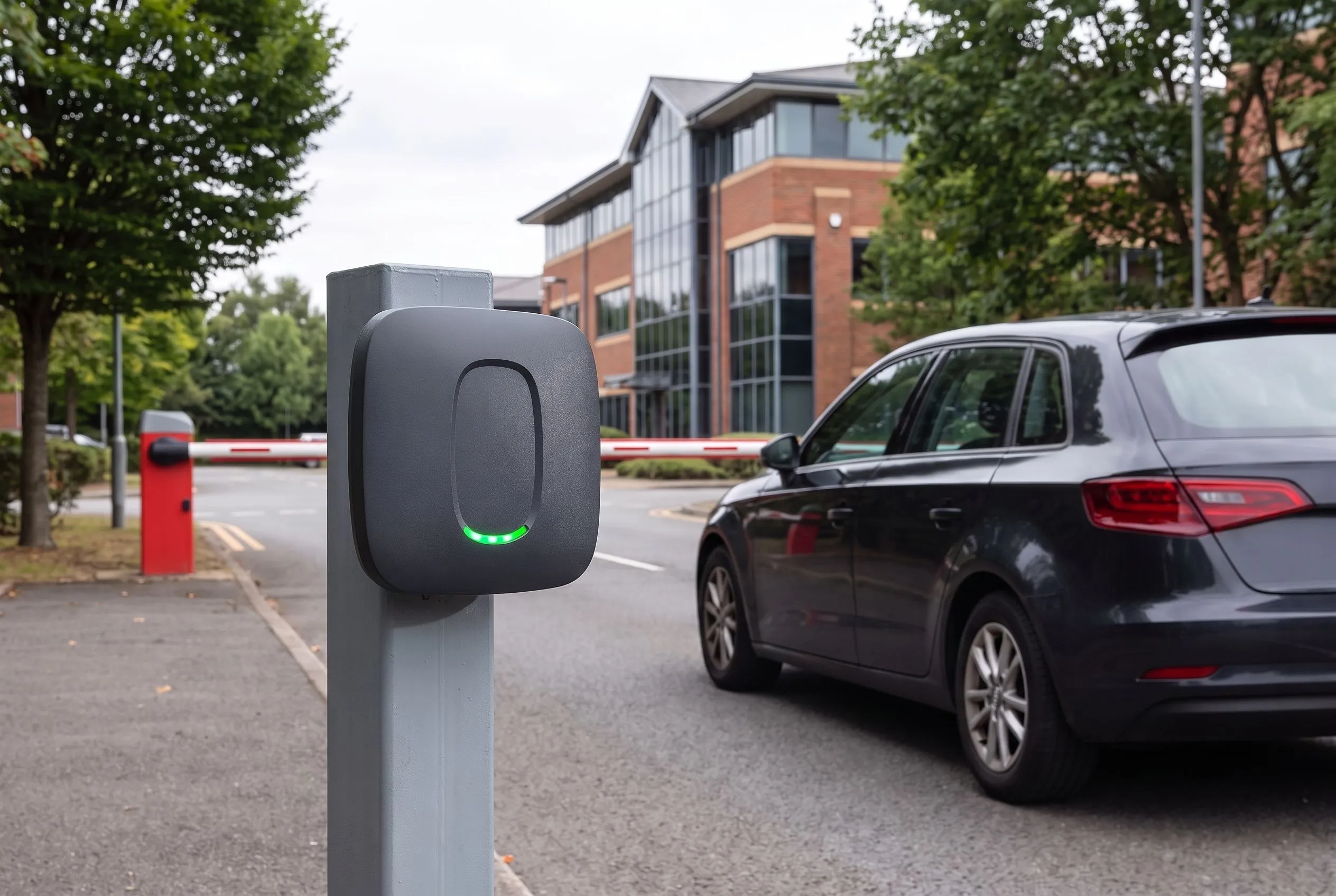
    uPASS Go reads a battery-free UHF tag at up to 10 metres, so staff drive in without presenting a card.

  • The challenge

    Hauliers at the cargo gates

    Third-party hauliers and freight forwarders need access that can be traced, and they cannot all be issued a credential.

    The answer

    Number plates read at the cargo gate

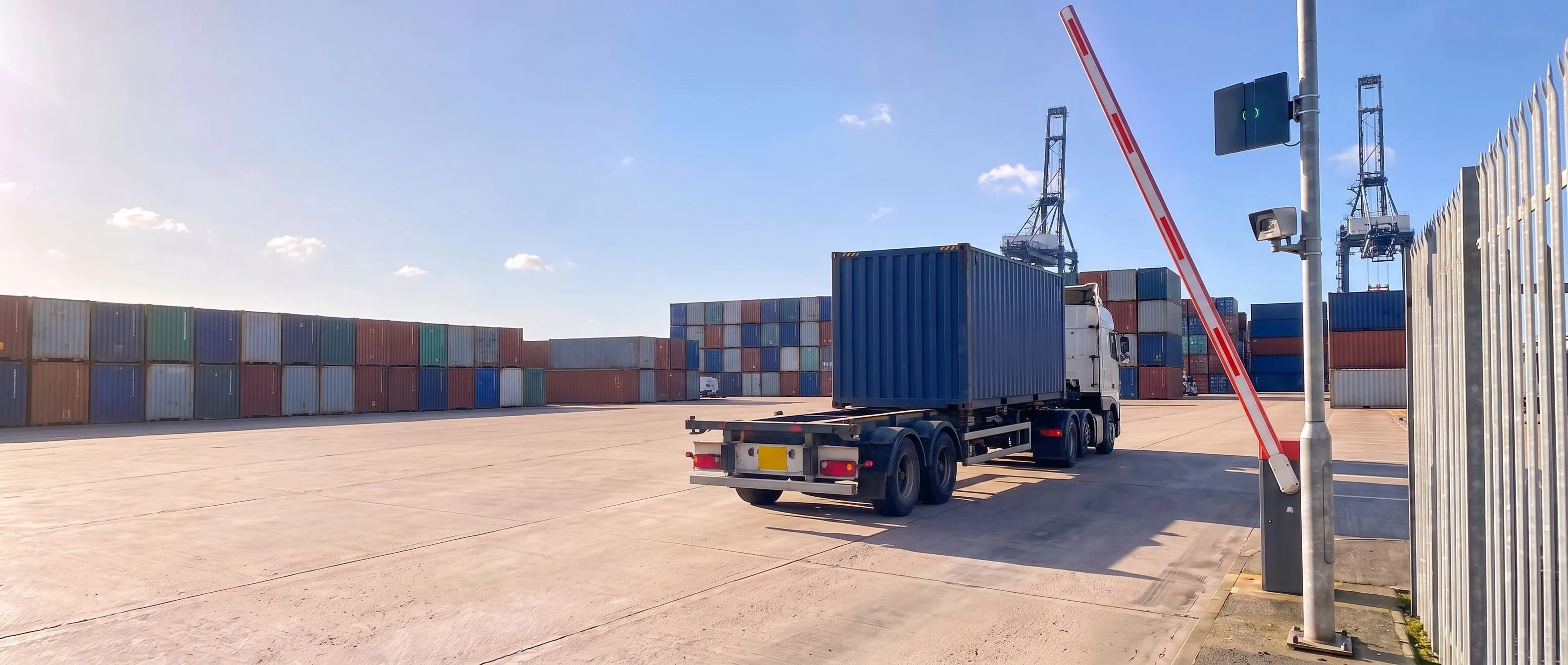
    ANPR Lumo reads the plate from 2 to 10 metres and checks it against the vehicles the cargo operation expects. Nothing is handed to the driver.

  • The challenge

    Compliance evidence gathered by hand

    Showing who went where, and when, becomes a separate exercise when it depends on paper logs.

    The answer

    Every movement recorded as it happens

    Each read is timestamped and recorded in the airport's own access control system, so the evidence is a by-product of normal operation.

Which reader for which vehicle

An airport sees three kinds of vehicle: airside service vehicles, staff cars and the hauliers serving cargo. Each is identified in the way that suits it, and every reader reports to the airport's access control system.

Main reader

Airside service vehicles

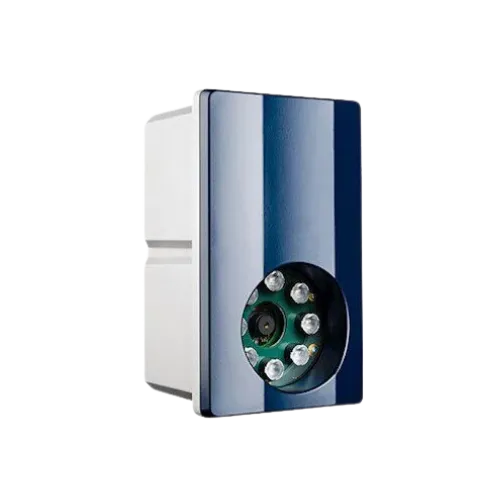
Nedap Transit Ultimate

Operations and service vehicles carry a tag in the windscreen, and Transit Ultimate reads it at long range as the vehicle approaches an access point, so it is identified without interrupting its work. AES-encrypted communication between reader and tag is available to protect against tag cloning.

Reads
Semi-active tag in the windscreen
Read range
Up to 15 metres
Vehicle speed
Up to 200 km/h (125 mph)

Landside staff parking

Nedap uPASS Go

A battery-free tag in the windscreen. Staff drive in and out without presenting a card.

Reads
Battery-free UHF windscreen tag
Read range
Up to 10 metres

Cargo gates

Nedap ANPR Lumo

Third-party hauliers and freight forwarders are identified by number plate, so there is no credential to issue.

Reads
The number plate, with no tag
Read range
2 to 10 metres

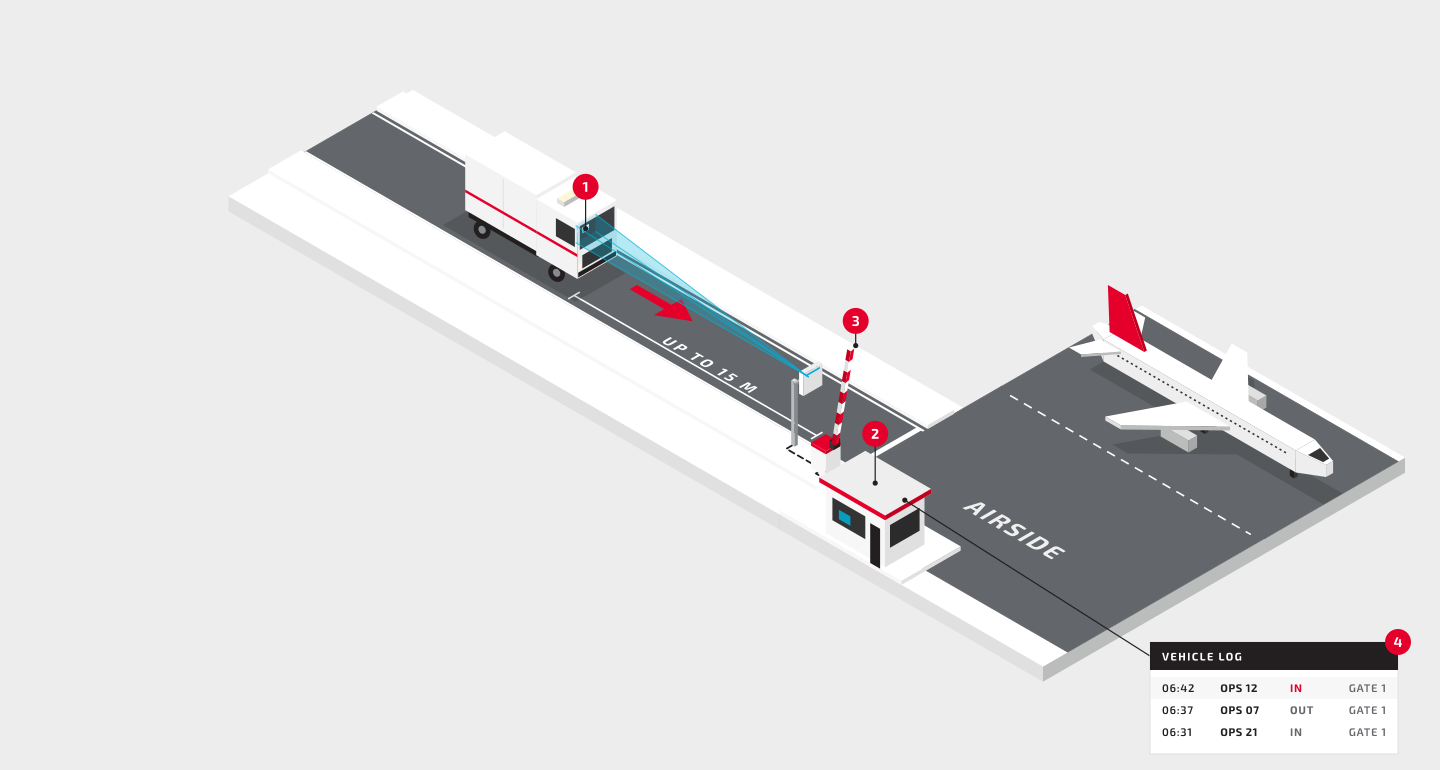
How Transit Ultimate works at the airside gate

Isometric view of an airside access gate: a Transit Ultimate reader on a pole reads the tag in an approaching service vehicle's windscreen from up to 15 metres, the gatehouse system checks it, the barrier opens and the movement appears in the vehicle log, with an aircraft on the apron beyond
  1. Vehicle approaches

    Transit Ultimate reads the windscreen tag from up to 15 metres while the vehicle is moving.

  2. Identity checked

    Norpass3, or the airport's own system, checks it against the authorised vehicles.

  3. Barrier opens

    Only for a vehicle cleared for that access point.

  4. Movement logged

    Vehicle and time, as a record for audits and incident reviews.

Beyond the airside gate

Airside access is one of three jobs. The same family of readers covers the rest of the airport.

  • Landside staff car parks

    uPASS Go and a windscreen tag let staff in and out across every shift change without a card.

  • Cargo and freight gates

    ANPR Lumo identifies third-party hauliers and freight forwarders by number plate, and every visit can be traced.

  • VIP and private aviation parking

    A windscreen tag gives VIP clients and subscribers hands-free access, with no stopping at the gate and no ticket to collect.

  • Further airside access points

    A reader at each access point identifies the vehicle again, so it reaches only the areas it is cleared for.

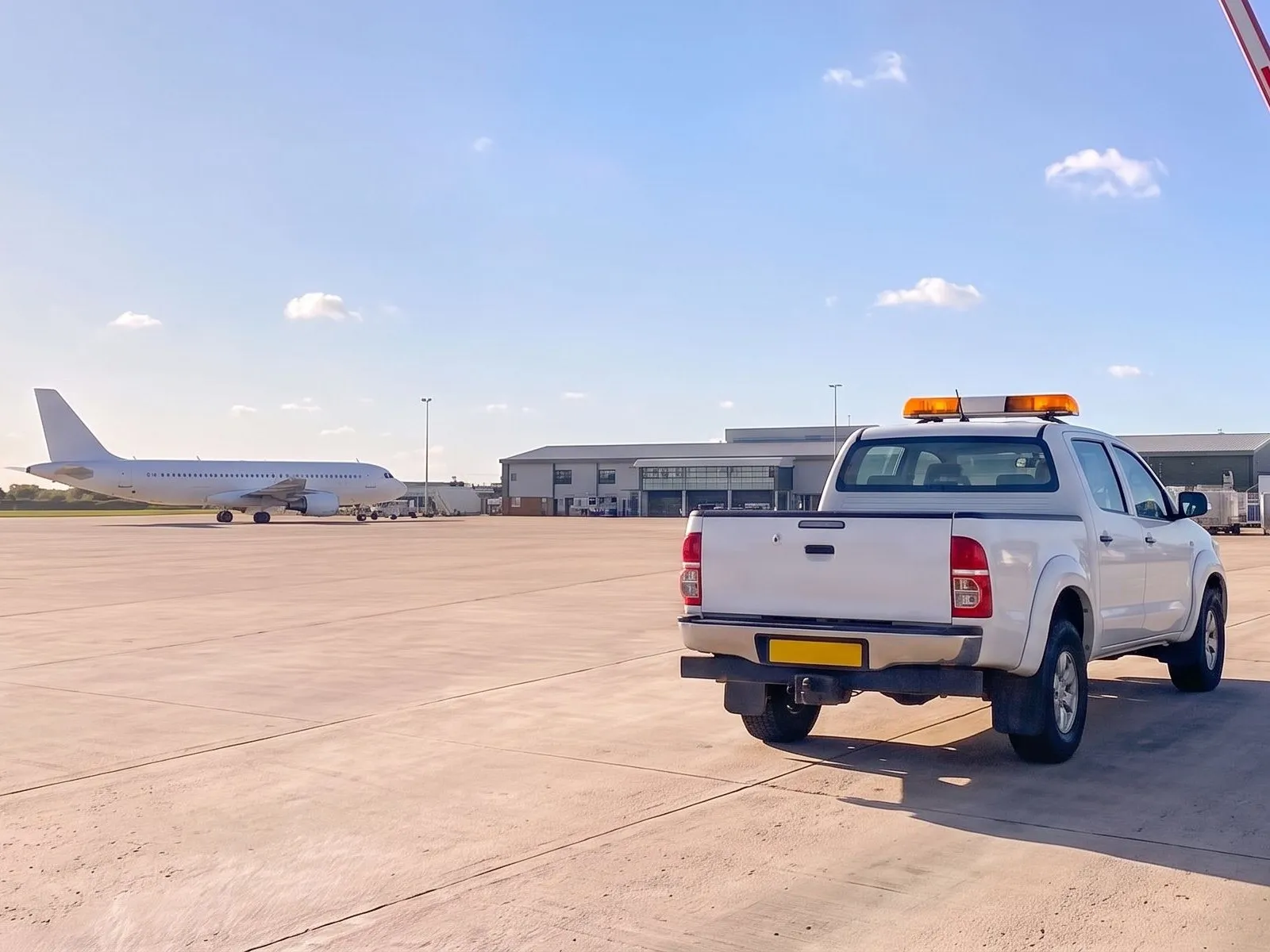
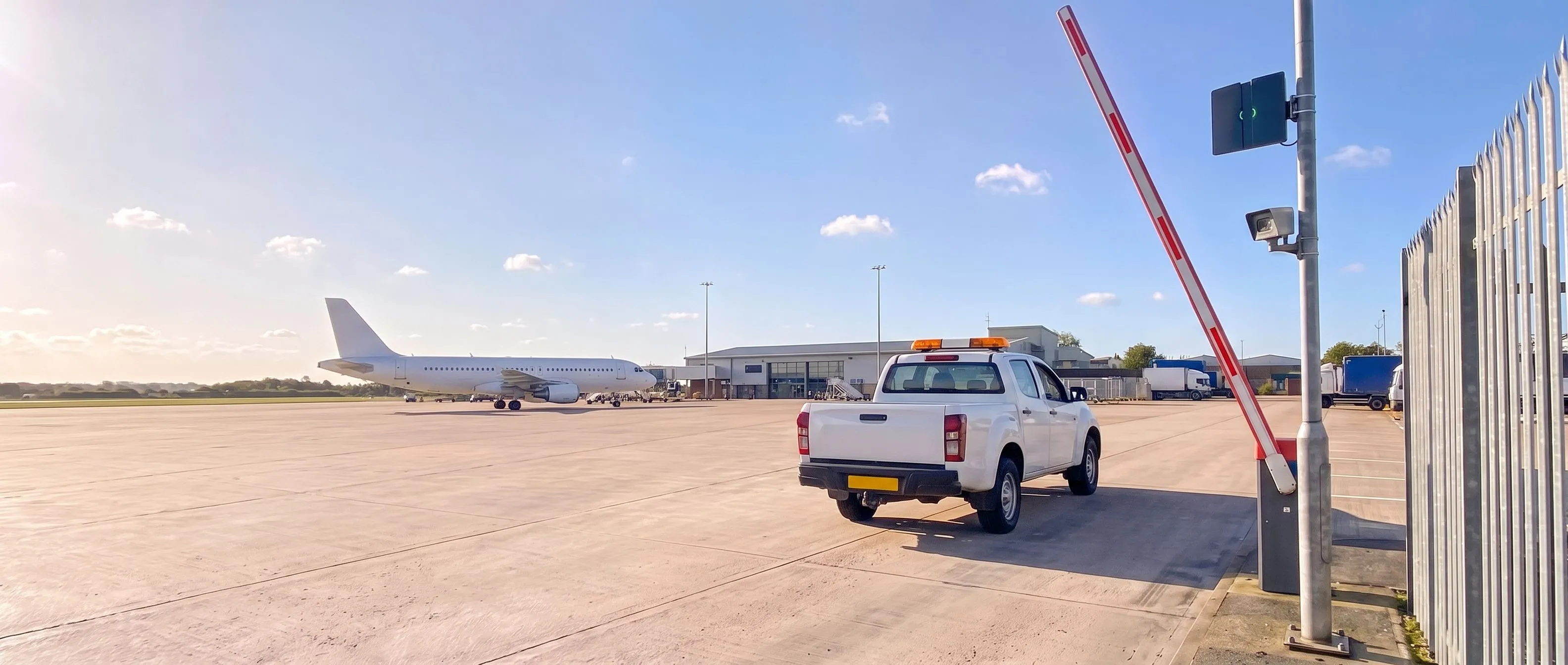
Airfield operations vehicle on an airport apron, with an airliner and the terminal beyond

The Nedap applications catalogue

Airports is one of 11 applications in Vehicle Access, Solved, the Nedap vehicle identification catalogue we publish for the UK and Ireland. Each page shows which reader does the main job, where a second reader picks up untagged or visitor vehicles, and a site where it is in use.

15 pages, PDF. Airports is on page 7.

Open the applications catalogue

Case study

KAIA and KKIA private aviation terminals, Saudi Arabia

PrivatAir Saudi Arabia manages the private aviation terminals at King Abdulaziz International Airport in Jeddah and King Khalid International Airport in Riyadh.

Nedap long-range UHF readers and windscreen tags give its VIP clients and subscribers hands-free access to parking, with no stopping at the gate and no ticket to collect. The readers are integrated with the terminals' Scheidt & Bachmann parking management system.

A Nedap installation, commissioned by Idex Services.

‘The efficiency of Nedap products and the ability for easy integration enhanced our solution provided to the client.’

Mohamed Khalil, Operations Manager, Idex Services

Works with the airport systems already in place

None of the readers needs its own software. Each one hands the tag or plate number to an access control system as a standard reader, so it can be added to the system an airport already runs or to Norpass3, our licence-free access control software. UK Border Force moved its access control at Heathrow Terminal 5 to Norpass3.

Because the readers report to the airport's own access control and operational systems, every movement is timestamped and recorded there. Compliance evidence becomes a by-product of normal operation, not a separate manual exercise. ANPR Lumo also has an Ethernet connection and a REST interface, so plate reads can be sent straight to other software.

Our engineers work through the integration with you or your installer before the hardware is specified, and stay involved through commissioning.

ReaderOutputs and interfacesProtectionDatasheet
Transit Ultimate Outputs and interfaces Wiegand, magstripe and barcode outputs. RS232 as standard, with RS422, RS485, TCP/IP and Profibus DP interface boards Protection IP66 Transit Ultimate datasheet
uPASS Go Outputs and interfaces Wiegand and magstripe (clock and data) outputs Protection IP66 uPASS Go datasheet
ANPR Lumo Outputs and interfaces Wiegand, RS485 and Ethernet, with a REST interface for other software Protection IP65 ANPR Lumo datasheet

Airport vehicle access control FAQs

What is vehicle access control at an airport?

Vehicle access control at an airport identifies each vehicle at an airside access point, a staff car park or a cargo gate and decides whether the barrier should open. Service vehicles and staff cars are usually identified by a long-range RFID tag, visiting hauliers by number plate, and every movement is logged.

Do airside vehicles have to stop at the access point?

Not to be identified. Transit Ultimate reads a windscreen tag from up to 15 metres, so the vehicle is identified on approach and the driver doesn't present a card. Whether it then drives straight through depends on the other checks the airport's security procedures require at that point.

Can a tag be cloned?

An optional Security Key Pack enables AES128-encrypted, bidirectional communication between Transit Ultimate readers and their tags, which prevents cloning and replay attacks. Ask our engineers about it when the hardware is specified.

Can the driver be identified as well as the vehicle?

Yes. Booster tags combine the vehicle's long-range ID with the driver's own credential (HID Prox, MIFARE, iClass or LEGIC), so both identities are verified in a single transaction.

How are hauliers at the cargo gates handled?

By number plate. ANPR Lumo reads the plate from 2 to 10 metres and the access control system checks it against the vehicles the cargo operation is expecting. A vehicle that isn't on the list stays at the barrier and is dealt with by the gatehouse.

Will it work with our airport's access control system?

In most cases, yes. Transit Ultimate, uPASS Go and ANPR Lumo all have a Wiegand output, so the access control system sees each one as a card reader. Transit Ultimate and ANPR Lumo can also connect over RS485 or a network. None of them needs software of its own.

How much does vehicle access control for an airport cost?

It depends on the number of access points and lanes, how many vehicles need tags, whether cargo vehicles are read by ANPR, and the barrier or gate work your installer carries out. Our ANPR system cost guide covers typical camera and installation costs, or ask us for a quote for your site.

Related products

New

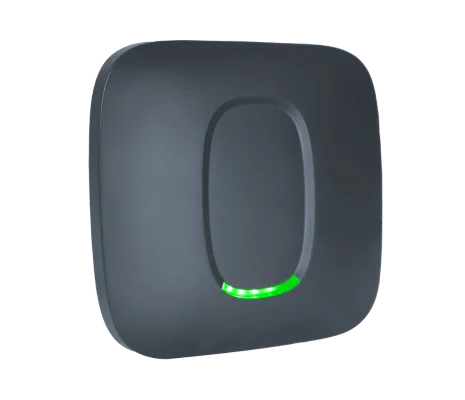
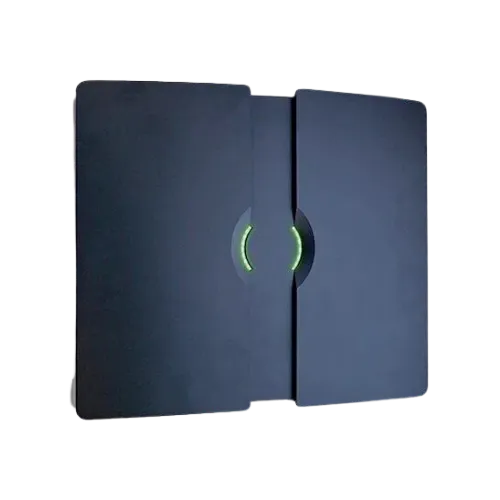
Nedap uPASS Go

Based on battery-free passive UHF technology, the uPASS Go reader provides a cost-effective solution for convenient vehi…

› View Details

Talk it through with an engineer

Every airport is different, and every airport system has its quirks. Before the hardware is specified, talk to someone who has done it before.

Our engineers in Cwmbran will help you scope the application, recommend the reader mix, work through the integration with the systems already in place, and stay with you through commissioning. When you call, it's an engineer who answers.

Call +44 (0)1633 485 533

It helps to know

  • How many access points and car park lanes there are, airside, landside and cargo, and roughly how many vehicles use them a day
  • Who arrives: service vehicles, staff, hauliers, VIP clients
  • The barriers and the access control system already in place

Loading the form…

We're here to help

Call +44 (0)1633 485 533 or Email Us