




Nortech — People & Vehicle Access Solutions
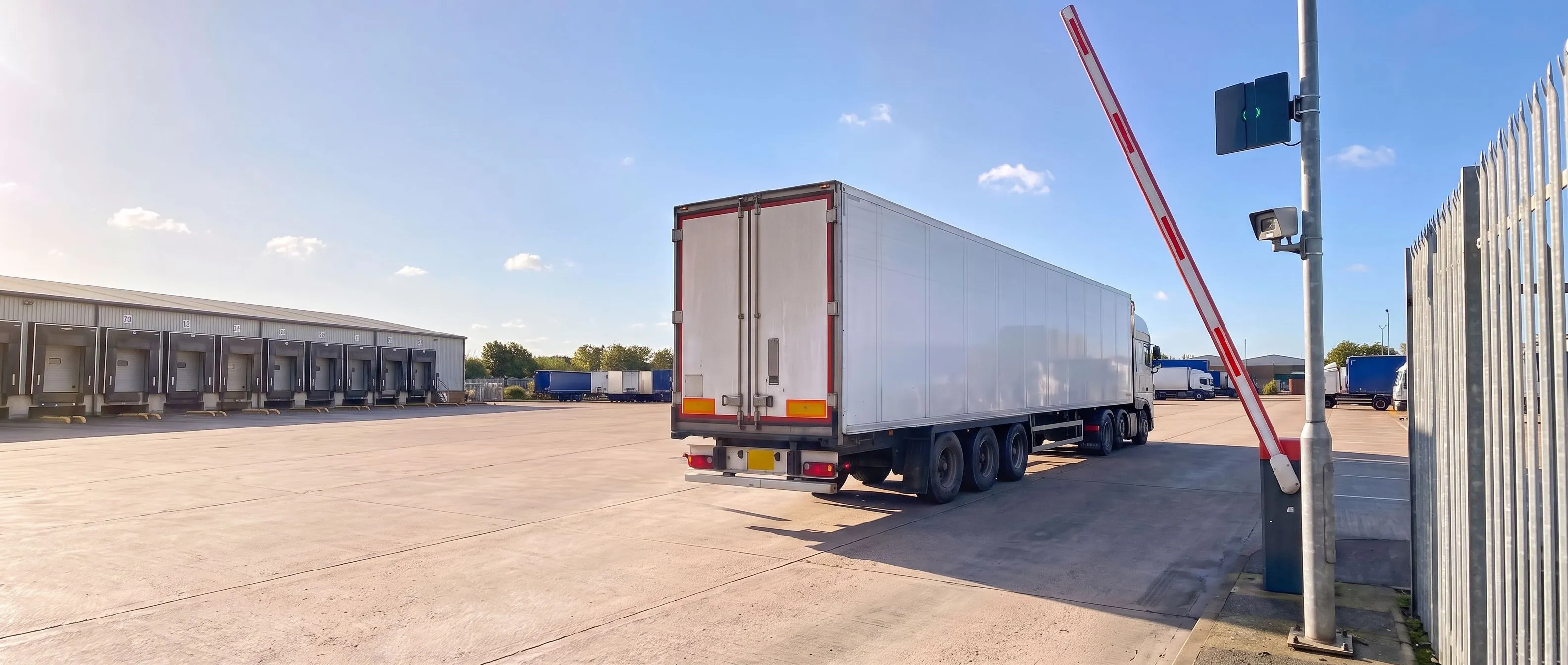
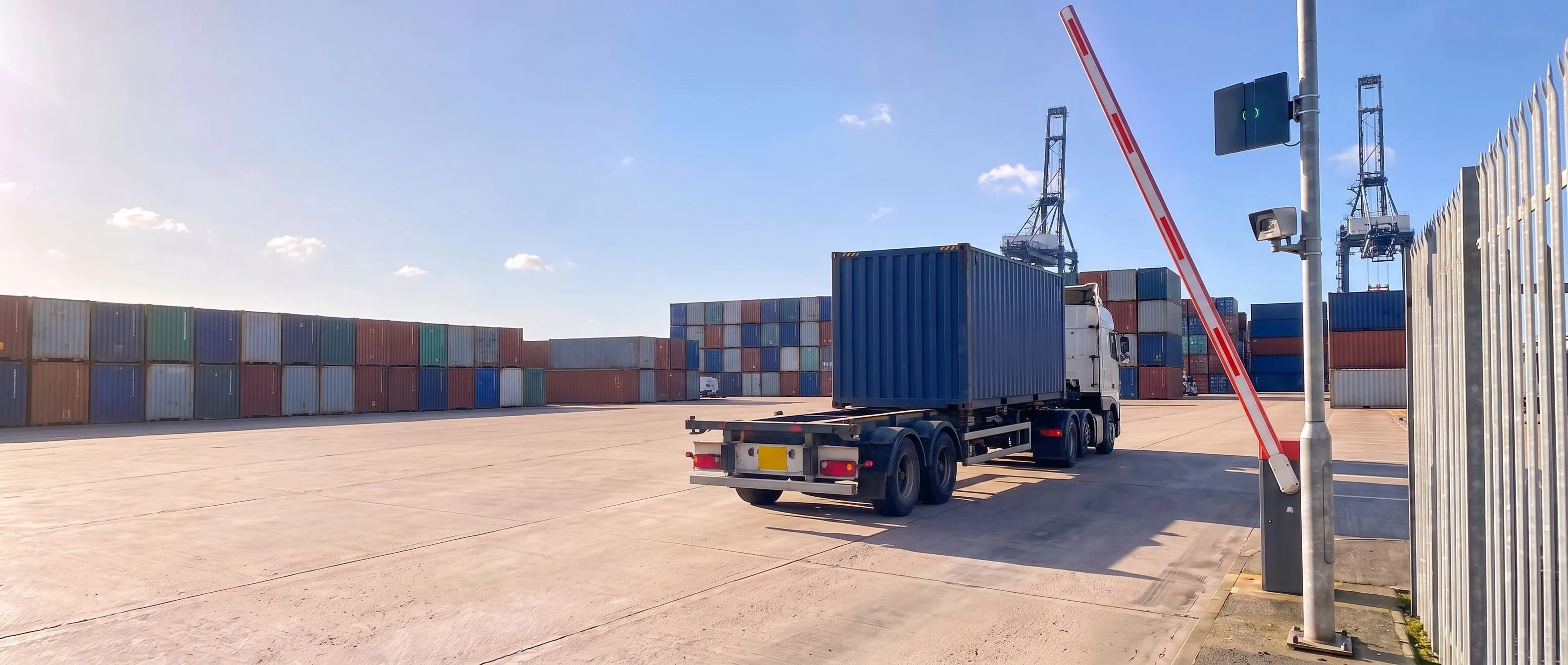
Container lorry driving through the raised barrier at a port terminal gate, with a Transit Ultimate long-range reader and a camera on the post beside it

Vehicle access control for ports and marine terminals

Keep traffic moving. Strengthen security. Support compliance.

Trusted by

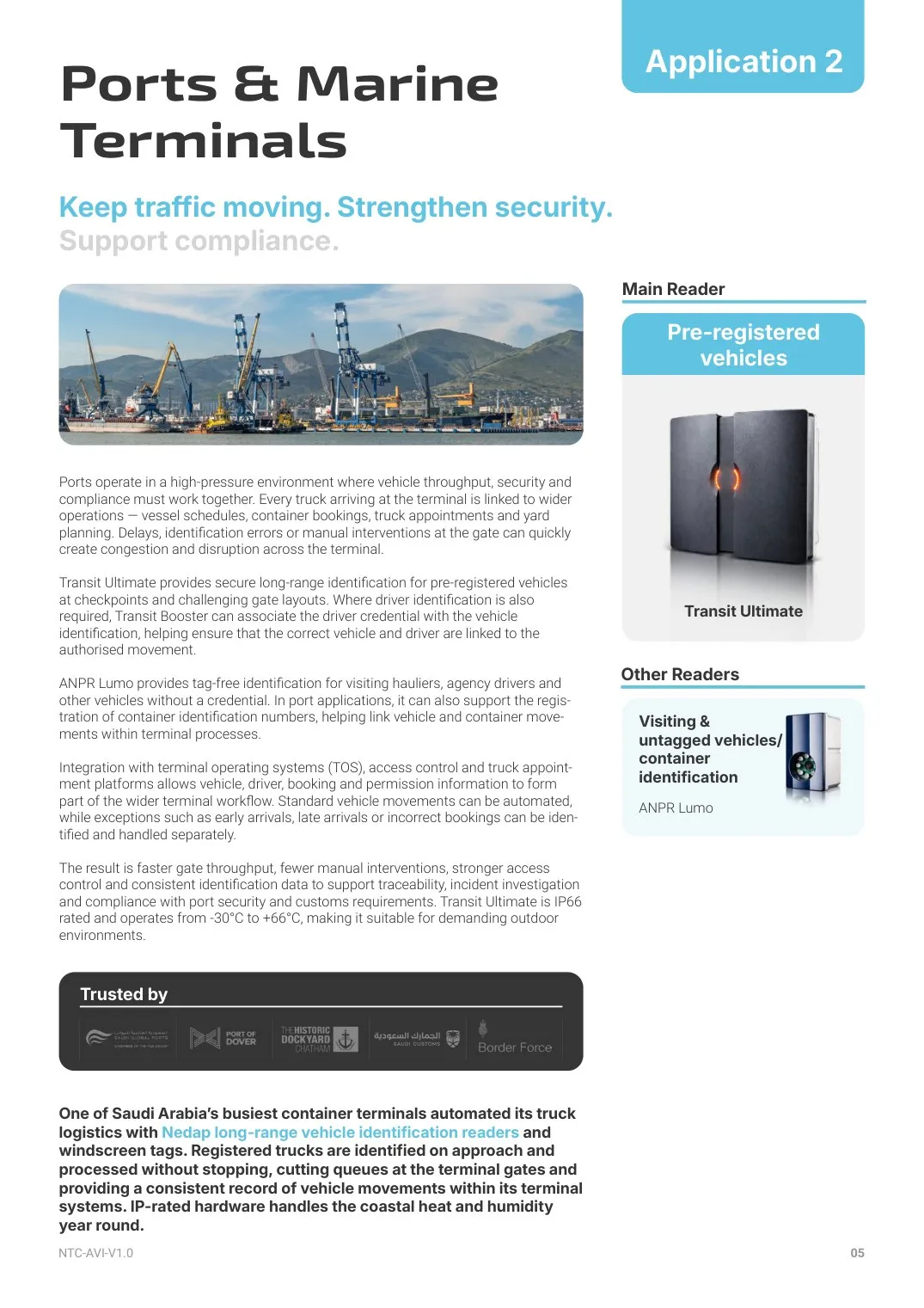
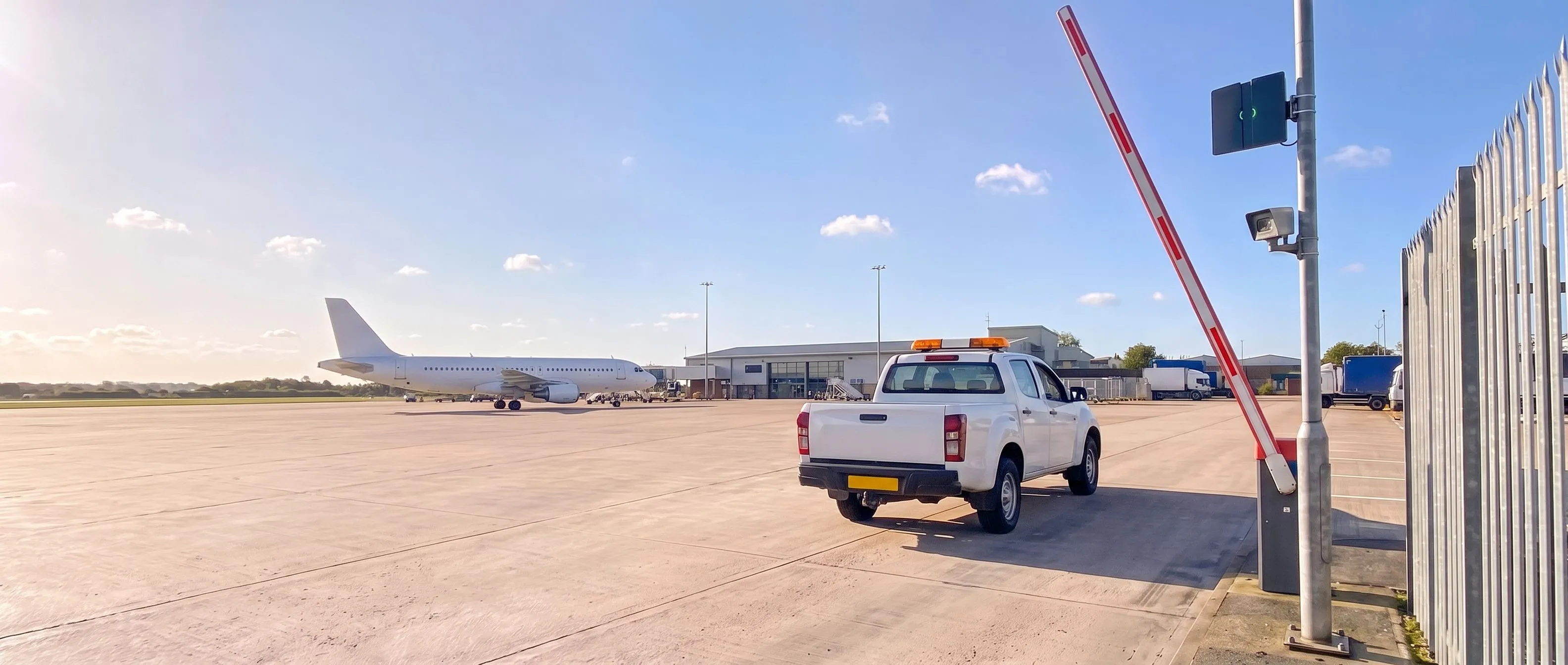
Vehicle access control at a port has to identify every truck at the terminal gate without holding up the ones behind it. Nedap Transit Ultimate reads the windscreen tags of pre-registered vehicles from up to 15 metres, ANPR Lumo reads the number plates of visiting hauliers who have no tag, and every movement is recorded against the vehicle.

We distribute and support both as Nedap's certified UK partner, and work with your installer from specification to commissioning.

A delay at the gate spreads across the terminal

Every truck arriving at a terminal is tied to something else: a vessel schedule, a container booking, a truck appointment, a place in the yard plan. A delay, a misidentified vehicle or a manual check at the gate soon turns into congestion on the approach road and disruption across the terminal.

Throughput, security and compliance have to work together. The gate must know which vehicle is in front of it and whether it is expected, and it must keep a record that can be traced back when there is an incident or a customs query.

Ports are rarely simple sites either. Gate layouts are awkward, there are checkpoints inside the estate as well as at its edge, and a terminal operating system, an access control system and a booking platform are usually in place already.

  • The challenge

    Queues at the terminal gate

    Each truck stops to be identified by hand. At peak arrival times the queue backs up along the approach road.

    The answer

    Registered trucks identified on approach

    Transit Ultimate reads a windscreen tag from up to 15 metres, so a pre-registered truck is identified before it reaches the barrier, at gates where a driver could not reach a card reader.

  • The challenge

    Visiting hauliers with no tag

    Agency drivers and one-off collections cannot be issued a tag in advance, so they fall back on the gatehouse.

    The answer

    Number plates read without a credential

    ANPR Lumo reads the plate from 2 to 10 metres and checks it against the list of expected vehicles. Nothing is handed to the driver.

  • The challenge

    The right driver in the right vehicle

    Identifying the truck is not always enough. Some movements need the driver confirmed as well.

    The answer

    Driver and vehicle linked

    With a Transit Booster, the driver's credential is associated with the vehicle's identification, so the authorised movement is tied to both.

  • The challenge

    No consistent record to trace back

    Paper logs and gatehouse notes cannot support an incident investigation or answer a customs query.

    The answer

    Every movement logged against the vehicle

    Each read is recorded with its time in the access control system, Norpass3 or the one already on site, and can be passed on to the terminal's own systems.

Which reader for which vehicle

A terminal gate sees two kinds of vehicle: those registered in advance, and visiting hauliers who may only call once. Each is identified in the way that suits it, and both readers report to the same access control system.

Main reader

Pre-registered vehicles

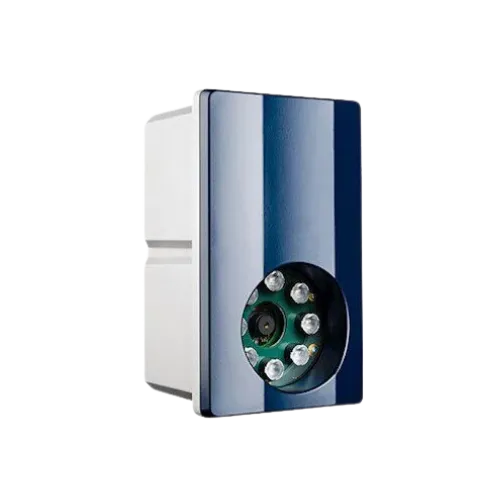
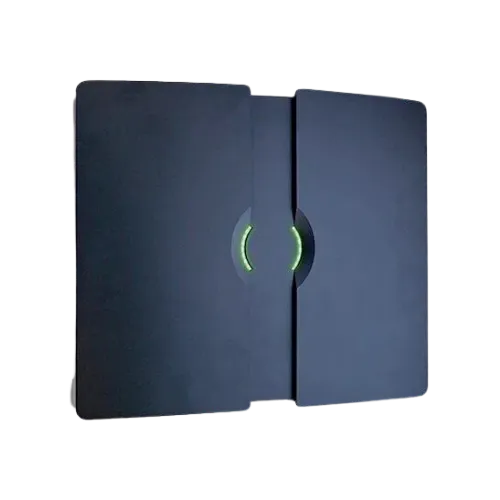
Nedap Transit Ultimate

Each registered truck carries a tag in the windscreen, and Transit Ultimate reads it at long range as the truck approaches a gate or checkpoint. One of Saudi Arabia's busiest container terminals identifies its registered trucks this way, on approach and without stopping. Where the driver has to be identified as well, a Transit Booster associates the driver's credential with the vehicle.

Reads
Semi-active tag in the windscreen
Read range
Up to 15 metres
Vehicle speed
Up to 200 km/h (125 mph)

Visiting and untagged vehicles

Nedap ANPR Lumo

Visiting hauliers, agency drivers and other vehicles without a credential are identified by number plate, so there is no tag to issue or collect.

Reads
The number plate, with no tag
Read range
2 to 10 metres

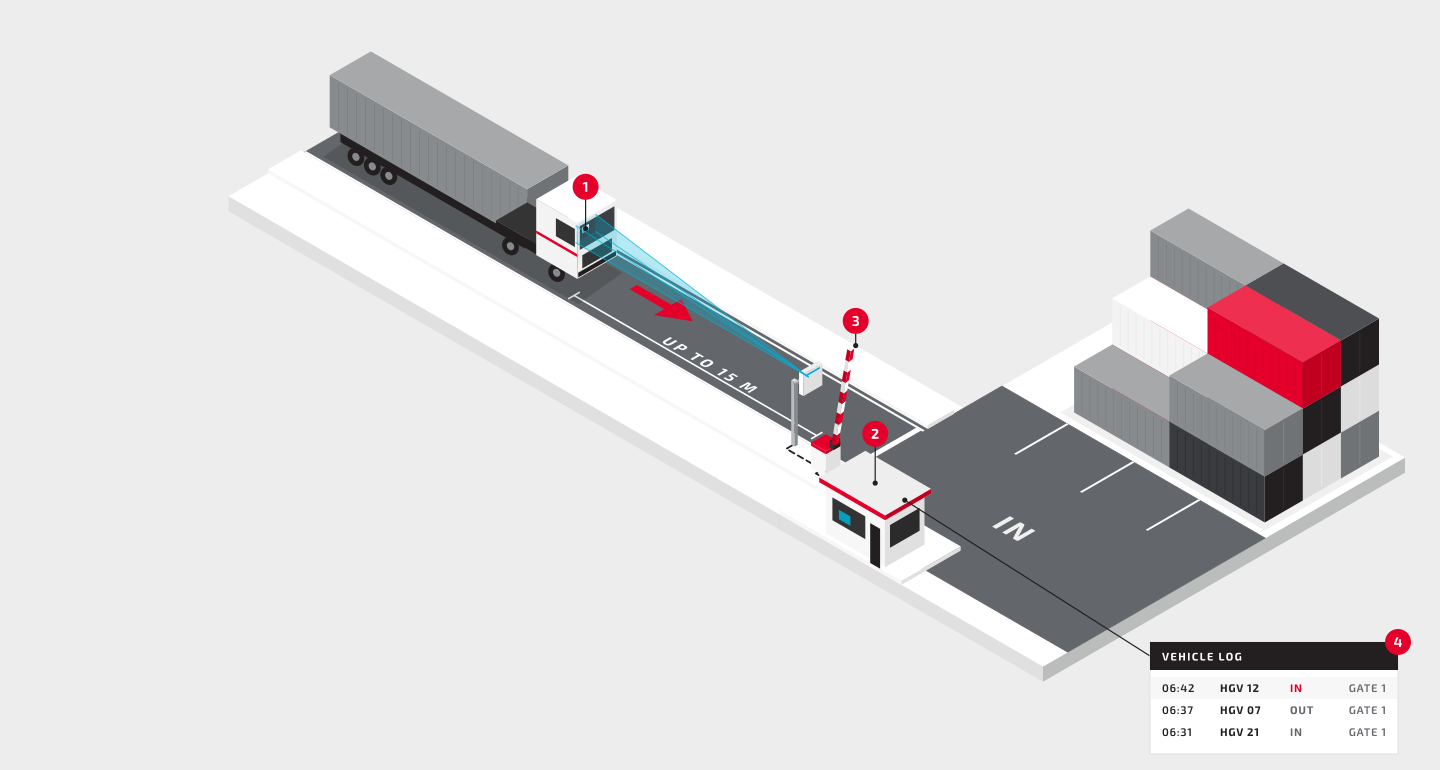
How Transit Ultimate works at the terminal gate

Isometric view of a port terminal gate: a Transit Ultimate reader on a pole reads the tag in an approaching container lorry's windscreen from up to 15 metres, the gatehouse system checks it, the barrier opens and the movement appears in the vehicle log
  1. Truck approaches

    Transit Ultimate reads the windscreen tag from up to 15 metres while the truck is moving.

  2. Identity checked

    Norpass3, or the system already on site, checks it against the registered vehicles.

  3. Barrier opens

    No card to present, no window to wind down.

  4. Movement logged

    Vehicle and time, for traceability, incident investigation and customs queries.

Beyond the main gate

The main gate is usually where a project starts. The same readers identify vehicles at other points on a port estate.

  • Exit lanes

    A reader on the way out records when each vehicle left, so the time it spent on the terminal is known.

  • Internal checkpoints

    A reader at a checkpoint inside the estate limits each vehicle to the parts of the port it is authorised for.

  • Weighbridge

    Transit Ultimate identifies the vehicle as it approaches the bridge, so the weighbridge software knows which vehicle it is before the weight is recorded.

  • Port and contractor vehicles

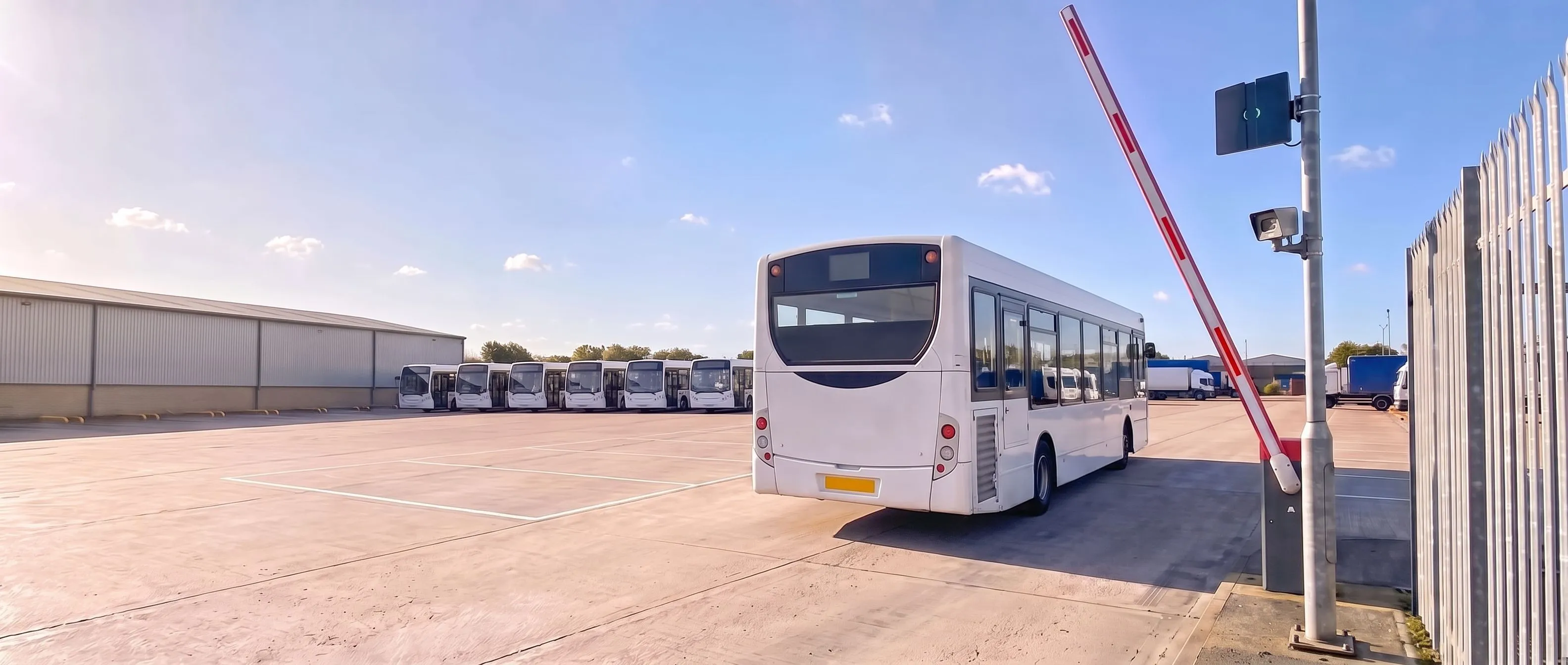
    Port-owned vehicles and regular contractors carry a tag like any other registered vehicle, and use the same lanes without calling at the gatehouse.

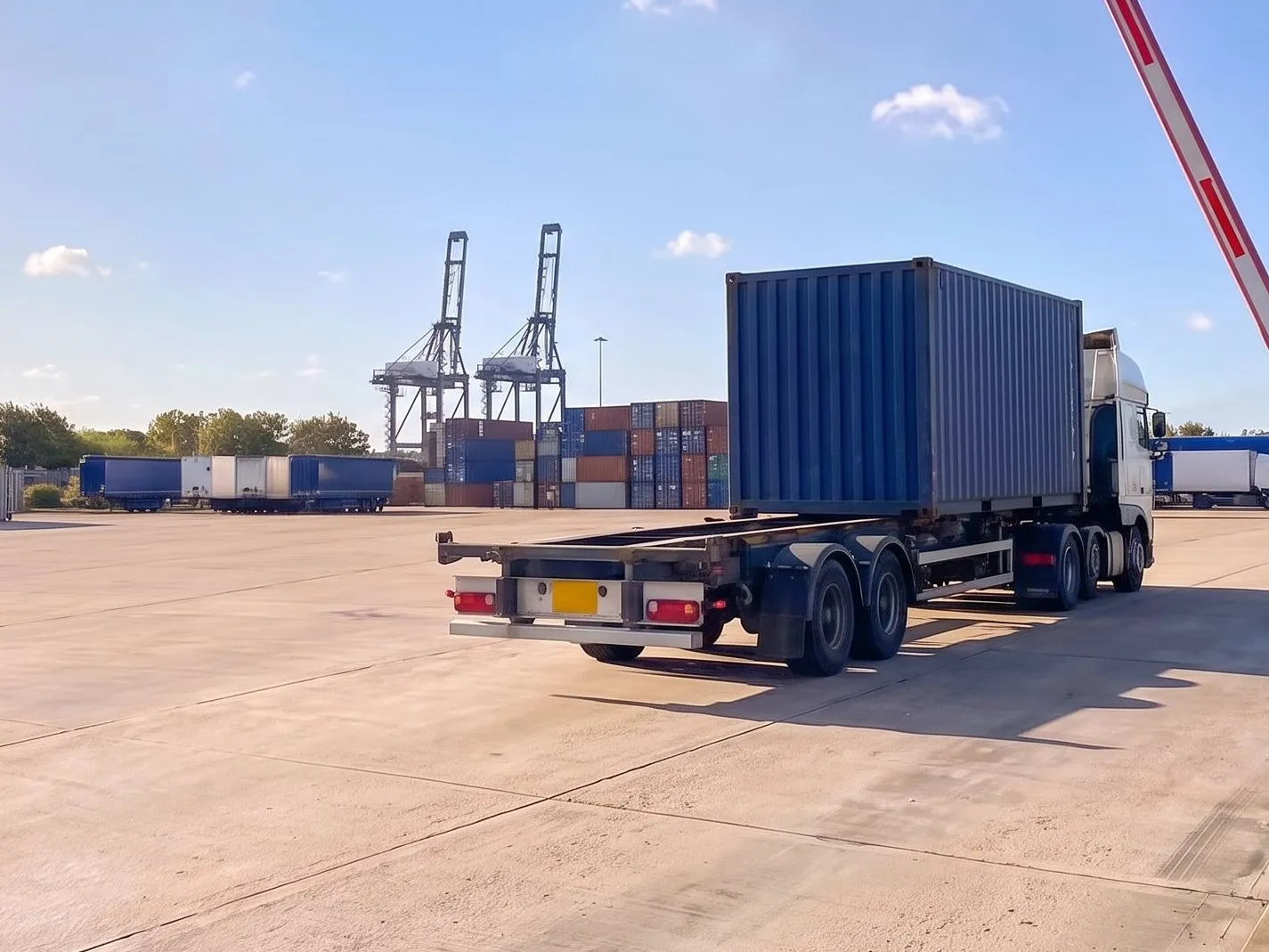
Container lorry crossing a port terminal yard towards the quay cranes

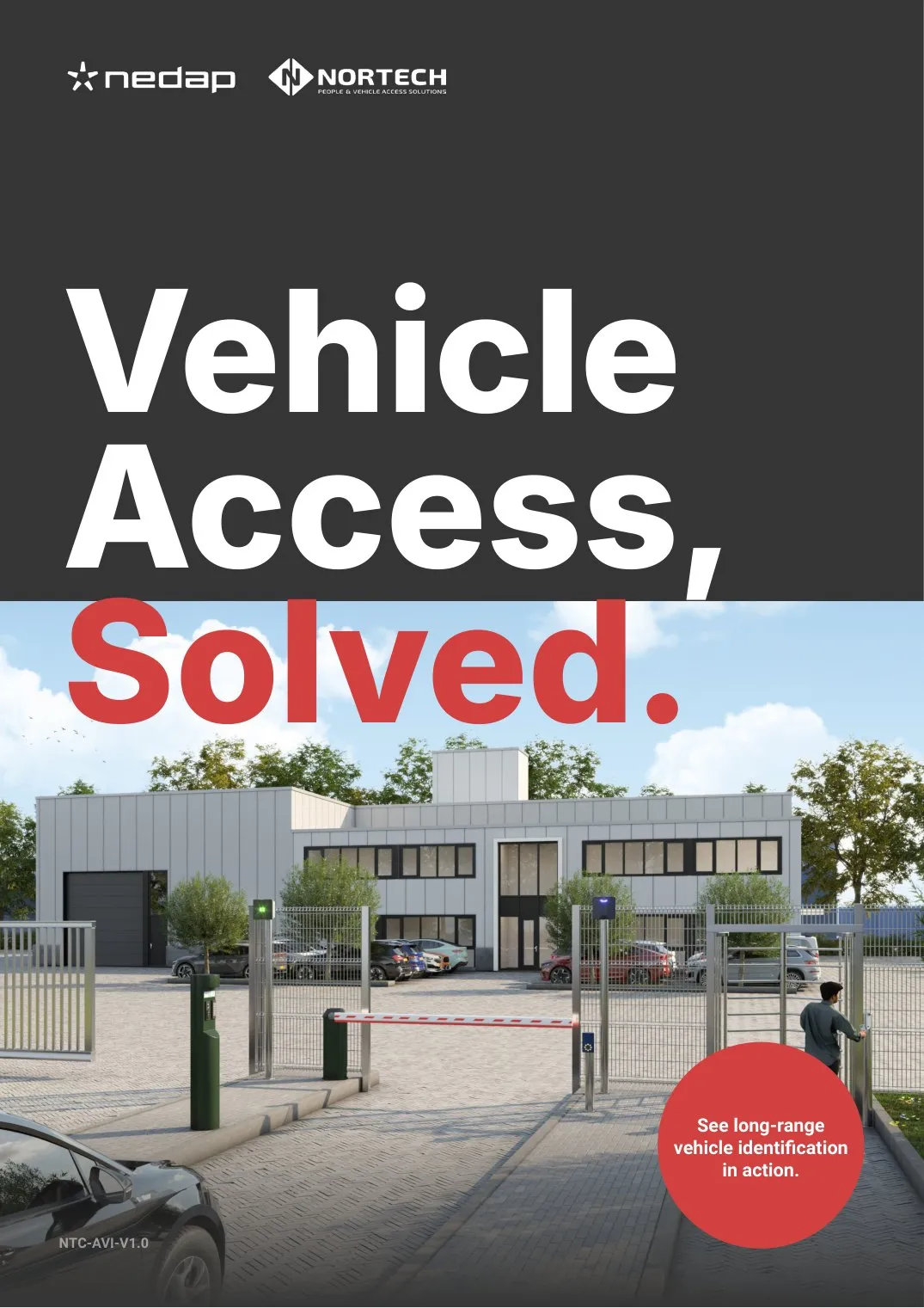
The Nedap applications catalogue

Ports & Marine Terminals is one of 11 applications in Vehicle Access, Solved, the Nedap vehicle identification catalogue we publish for the UK and Ireland. Each page shows which reader does the main job, where a second reader picks up untagged or visitor vehicles, and a site where it is in use.

15 pages, PDF. Ports & Marine Terminals is on page 5.

Open the applications catalogue

Case study

The Historic Dockyard Chatham, Kent

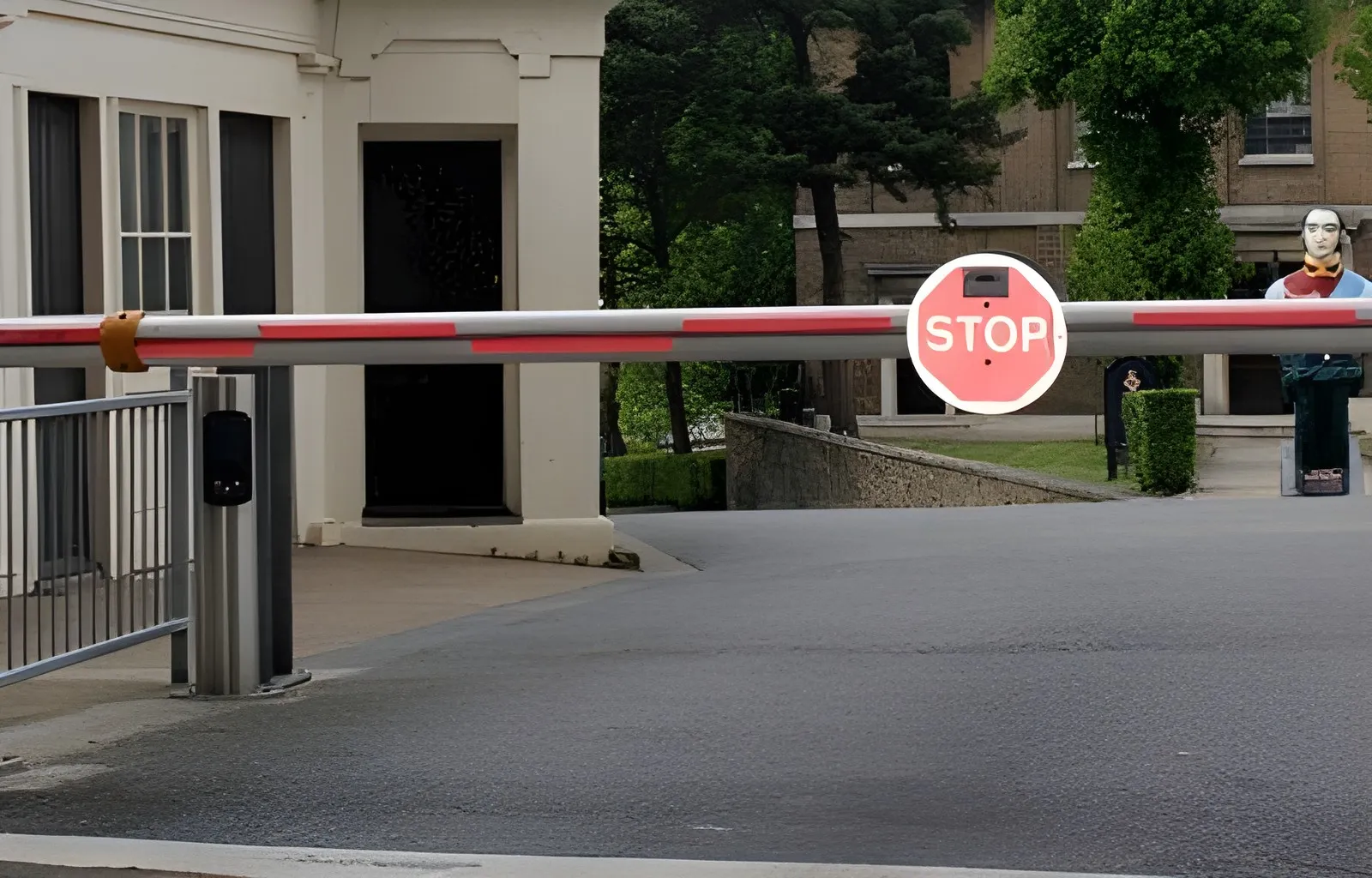
The Historic Dockyard Chatham occupies the former naval dockyard in Kent. The estate is shared by a maritime museum with around 170,000 visitors a year, 400 residents and more than 100 small businesses, and its vehicle entrances were controlled by manually operated barriers.

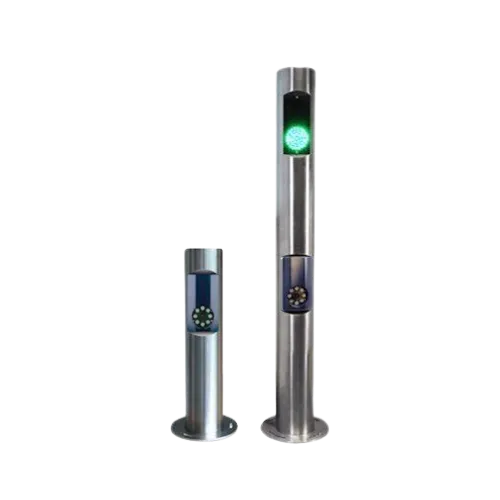
It shows the tag-free side of port access: too many different vehicles to issue tags to. SBR Steris fitted Nedap ANPR cameras in stainless steel posts beside automatic barriers, so authorised vehicles are recognised by number plate as they approach and every movement is recorded. After the results at the first entrance, a duplicate system was commissioned for the second.

  • Vehicle access control without the need for vehicle tags
  • Improved flow of traffic whilst maintaining site security
  • ANPR integrated with the access control system
  • Centralised control of all barriers

Installed by SBR Steris.

Read the full case study ›

Works with the terminal systems already in place

Neither reader needs its own software. Each one hands the tag or plate number to an access control system as a standard reader, so it can be added to the system a port already runs or to Norpass3, our licence-free access control software.

From there the identification can become part of the wider terminal workflow: the terminal operating system, the truck appointment platform or the security control room. Standard movements can be automated, and exceptions such as an early arrival, a late arrival or a booking that does not match can be picked out and handled separately. ANPR Lumo also has an Ethernet connection and a REST interface, so plate reads can be sent straight to other software.

Our engineers work through the integration with you or your installer before the hardware is specified, and stay involved through commissioning.

ReaderOutputs and interfacesProtectionDatasheet
Transit Ultimate Outputs and interfaces Wiegand, magstripe and barcode outputs. RS232 as standard, with RS422, RS485, TCP/IP and Profibus DP interface boards Protection IP66 Transit Ultimate datasheet
ANPR Lumo Outputs and interfaces Wiegand, RS485 and Ethernet, with a REST interface for other software Protection IP65 ANPR Lumo datasheet

Port vehicle access control FAQs

What is vehicle access control at a port?

Vehicle access control at a port identifies each truck, van and car arriving at a terminal gate or checkpoint and decides whether the barrier should open. Pre-registered vehicles are usually identified by a long-range RFID tag, visiting vehicles by number plate, and every movement is logged.

Do registered trucks have to stop at the terminal gate?

Not to be identified. Transit Ultimate reads a windscreen tag from up to 15 metres, so the truck is identified on approach and the driver doesn't present a card. Whether it then drives straight through depends on the other checks the terminal carries out at the gate.

How are visiting hauliers and agency drivers handled?

By number plate. ANPR Lumo reads the plate from 2 to 10 metres and the access control system checks it against the vehicles you are expecting. A vehicle that isn't on the list stays at the barrier and is dealt with by the gatehouse in the usual way.

Can the driver be identified as well as the vehicle?

Yes. With a Transit Booster, the driver's credential is associated with the vehicle's identification, so the system can check that the right driver is with the right vehicle before the movement is authorised.

Will it work with our terminal operating system?

The readers hand tag and plate numbers to an access control system as standard readers, and ANPR Lumo can send plate reads to other software over its REST interface. From there the events can be passed to a terminal operating system or a truck appointment platform. How it is connected depends on what that software accepts, which our engineers can work through with you.

Is the equipment suitable for a quayside?

Both readers are outdoor units: Transit Ultimate is rated IP66 and ANPR Lumo IP65. For an exposed position, ask our engineers about mounting before the hardware is specified.

How much does vehicle access control for a port cost?

It depends on the number of lanes and checkpoints, how many vehicles need tags, whether visiting vehicles are read by ANPR, and the barrier or gate work your installer carries out. Our ANPR system cost guide covers typical camera and installation costs, or ask us for a quote for your site.

Related products

Talk it through with an engineer

Every port is different, and every terminal system has its quirks. Before the hardware is specified, talk to someone who has done it before.

Our engineers in Cwmbran will help you scope the application, recommend the reader mix, work through the integration with the systems already in place, and stay with you through commissioning. When you call, it's an engineer who answers.

Call +44 (0)1633 485 533

It helps to know

  • How many gate lanes and checkpoints there are, and roughly how many vehicles use them a day
  • Who arrives: registered hauliers, visiting hauliers, port and contractor vehicles
  • The barriers, the access control system and the terminal software already in place

Loading the form…

We're here to help

Call +44 (0)1633 485 533 or Email Us